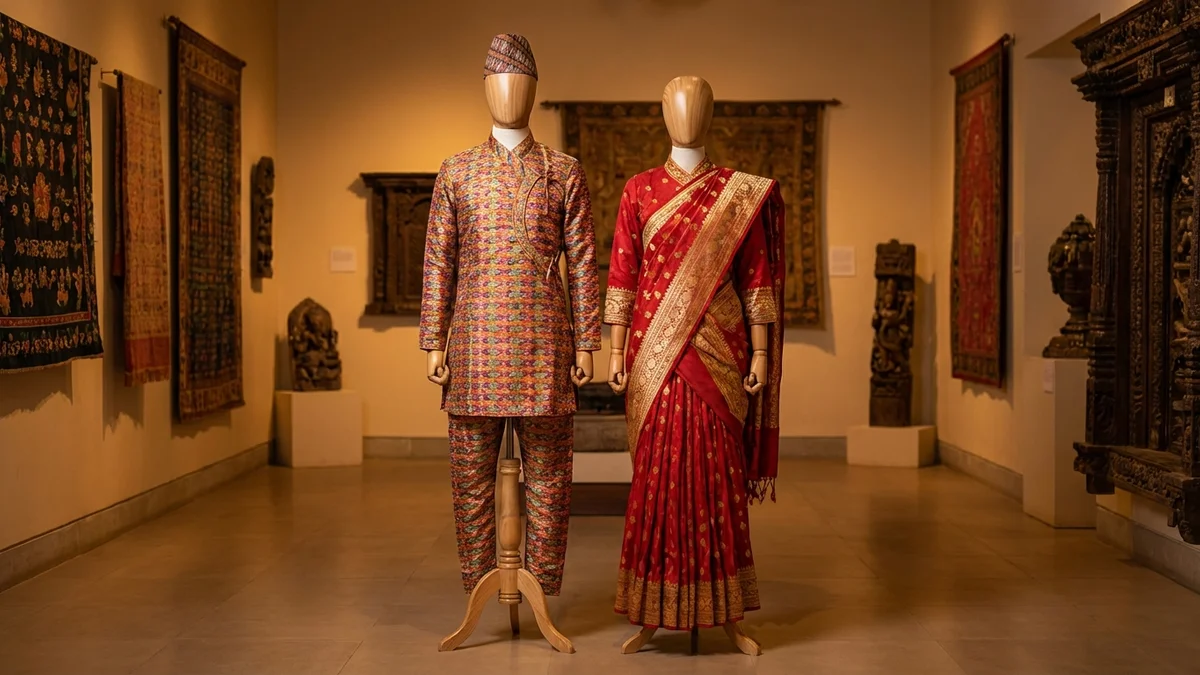
Nepal sits at the crossroads of ancient civilizations. Its traditional clothing reflects centuries of Hindu and Buddhist influence, mountain isolation, and cultural exchange. From the formal Daura Suruwal worn by men to the elegant Gunyo Cholo for women, Nepali dress tells stories of identity, belief, and belonging.
This guide covers everything about traditional Nepali clothing. You'll learn what each garment means, how different ethnic groups dress, and how to experience these beautiful traditions yourself.
What Is the National Dress of Nepal?
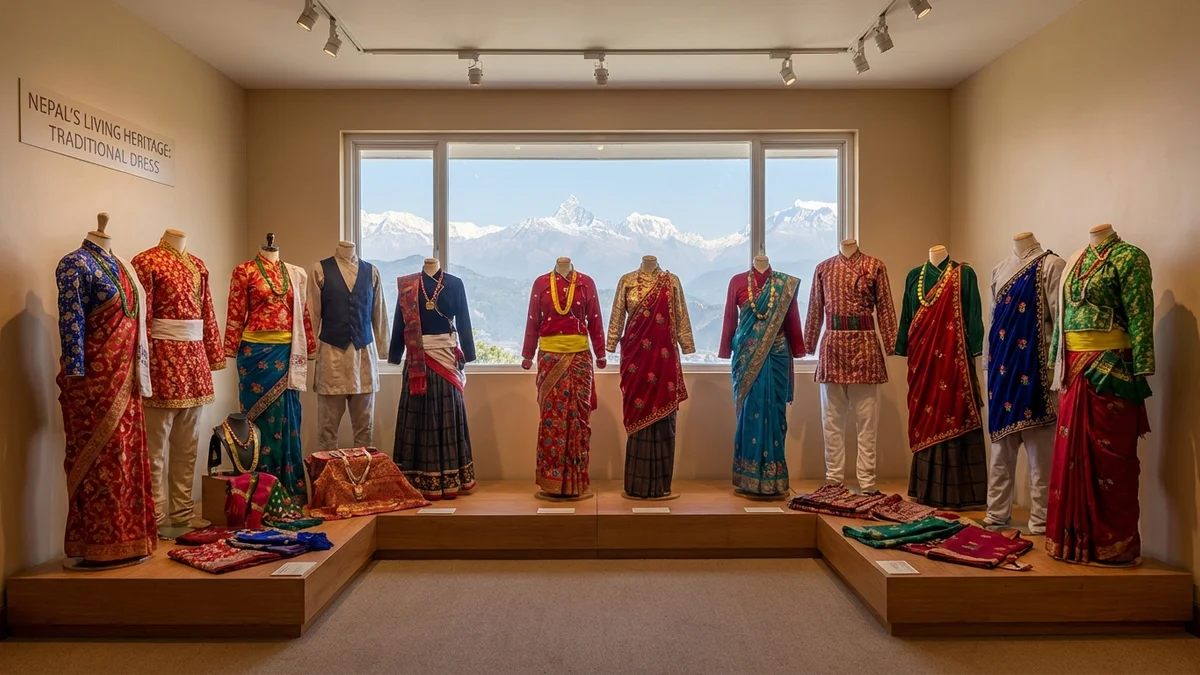
Nepal officially designated its national dress in 2017. For men, it's the Daura Suruwal. For women, it's the Gunyo Cholo. These garments unite Nepal's diverse population under shared cultural symbols while each ethnic group maintains its unique variations.
The national dress appears at government functions, cultural celebrations, weddings, and religious ceremonies. On January 1st each year, Nepalis worldwide celebrate International Nepali Dhoti and Topi Day by wearing traditional attire.
Key Takeaway: Daura Suruwal became Nepal's official national dress for men in 2017, while Gunyo Cholo represents women's traditional attire across the nation.
What Do Nepali Men Traditionally Wear?
Nepali men wear several traditional garments depending on their ethnic background, region, and occasion. The most recognized is the Daura Suruwal, but variations exist across Nepal's diverse communities.
Daura Suruwal
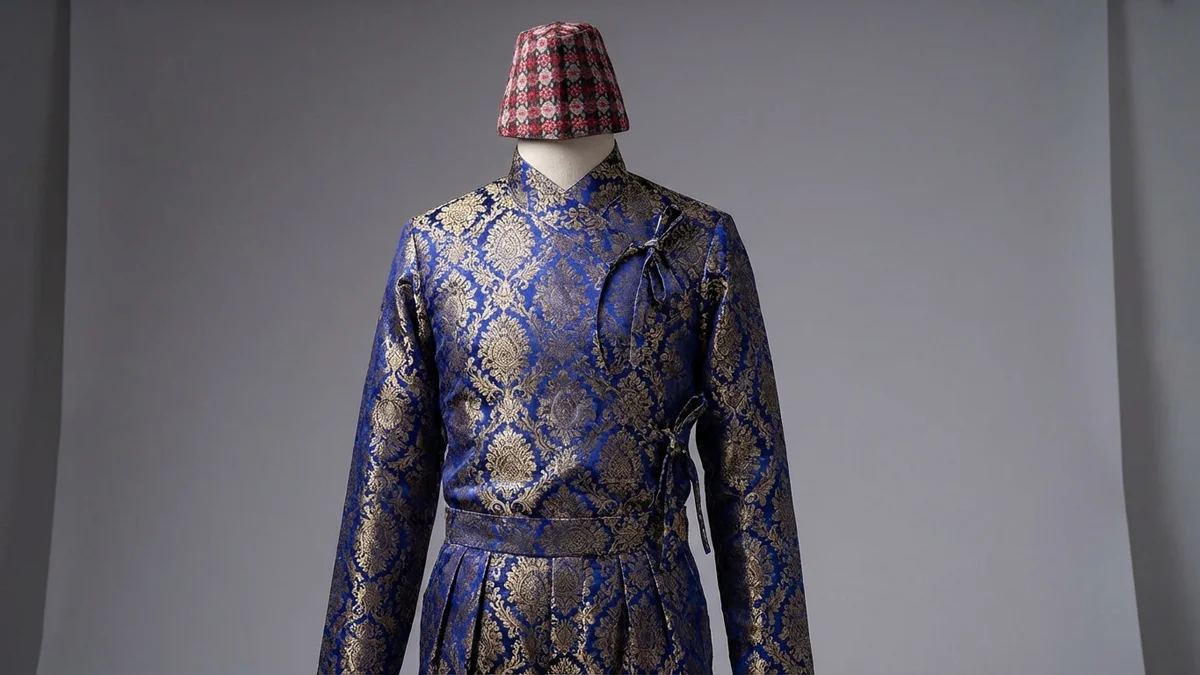
The Daura is a knee-length closed-neck shirt with no buttons. Eight fabric strings (Astamatrika Singini) tie it together. These strings represent the eight mother goddesses in Hindu mythology: Brahmayani, Maheswari, Kumari, Vaishnavi, Varahi, Indrayani, Chamunda, and Mahalaxmi.
Five pleats (Kallis) adorn the garment, representing Buddha's five qualities and wisdoms. The closed neck symbolizes the snake Vasuki around Lord Shiva's neck.
The Suruwal is a loose trouser that becomes fitted from knee to ankle. Together, they create a dignified, comfortable outfit suitable for Nepal's varied climate.
| Component | Description | Symbolism |
|---|---|---|
| Daura | Closed-neck shirt with ties | Eight strings = 8 Hindu goddesses |
| Suruwal | Baggy-to-fitted trousers | Practical mobility |
| Patuka | Waist sash/belt | Carries khukuri or money |
| Waistcoat | Optional formal layer | Added dignity |
Dhaka Topi
The Dhaka Topi completes men's formal traditional dress. This brimless cap is made from Dhaka fabric, originally imported from Dhaka (now Bangladesh's capital). The topi symbolizes national unity and Nepali identity.
King Mahendra popularized it during his reign (1955-1972) by requiring it at government functions. Today, men wear it at weddings, funerals, festivals, and official ceremonies regardless of ethnic background.
Dhoti and Lungi
In Nepal's southern Terai region, men wear the Dhoti. This rectangular cloth wraps around the waist and legs, often paired with a kurta (long shirt). The Dhoti suits the region's hot, humid climate better than the heavier Daura Suruwal.
The Lungi is similar but cylindrical. Men step into it and tie it at the waist. Both garments allow airflow and freedom of movement for agricultural work.
What Do Nepali Women Traditionally Wear?
Women's traditional clothing in Nepal varies significantly by ethnic group and region. The national dress is Gunyo Cholo, though the Sari remains the most commonly worn traditional garment.
Gunyo Cholo
Gunyo Cholo marks a girl's transition to womanhood. Families gift this outfit when daughters turn seven or eight in a ceremony celebrating their maturation. The Gunyo is a colorful wrap-around skirt, while the Cholo is a fitted blouse with intricate designs.
Women wear Gunyo Cholo during:
- Coming-of-age ceremonies
- Weddings (as guests or bridal party)
- Religious festivals
- Cultural celebrations
The outfit pairs with a Patuka (waist sash), jewelry, and sometimes a shawl. Colors carry meaning—red signifies auspiciousness and is worn during weddings and Dashain festival.
Sari
The Sari is Nepal's most versatile women's garment. This 5-9 yard cloth drapes elegantly around the body with a blouse (choli) and petticoat underneath. Each region produces distinctive sari styles:
| Sari Type | Origin | Characteristics |
|---|---|---|
| Dhaka Sari | Palpa, Tansen | Handwoven, geometric patterns |
| Silk Sari | Various | Formal occasions, rich colors |
| Cotton Sari | Everyday | Practical, comfortable |
| Pashmina Sari | Himalayan region | Luxurious, warm |
Kurta Suruwal
Modern Nepali women often wear Kurta Suruwal daily. This comfortable outfit combines a knee-length tunic (kurta) with loose trousers. It offers modesty and practicality while maintaining cultural identity.

Traditional Clothing by Ethnic Group
Nepal has over 120 ethnic groups, each with distinctive traditional dress. Understanding these variations reveals the country's remarkable cultural diversity.
Newar Traditional Clothing
The Newar people are indigenous to Kathmandu Valley. Their traditional clothing remains widely worn:
Women - Haku Patasi: A black cotton sari with red border. Farming women wear it daily, while others reserve it for festivals. The black background with red trim is instantly recognizable.
Men - Tapalan and Suruwa: A long shirt and tight trousers, often with a waistcoat. Older Newar men still wear this daily.
Sherpa Traditional Clothing
Sherpas live in the Himalayan regions and need warm, practical clothing:
Bakhu/Chuba: A thick woolen robe tied with a sash. The heavy fabric protects against extreme cold. Men and women wear similar styles with slight variations.
Shamtab: Men's warm trousers worn under the Bakhu.
Kira: Women's wrap-around dress secured with pins and belt.
Gurung Traditional Clothing
The Gurung people from central Nepal wear distinctive attire:
Men: Bhoto (vest-like blouse) with Jama (kilt-like garment) tied at the waist. A belt holds the iconic Khukuri knife.
Women: Lungi-style wrap skirt with a velvet blouse. Heavy jewelry including coin necklaces and gold earrings complete the look.
Magar Traditional Clothing
As Nepal's largest ethnic group, Magar dress varies by region:
Men: Bhoto vest with Daura Suruwal or Kachhad (loincloth).
Women: Colorful Gunyo Cholo with extensive ornaments, including the distinctive Bulaki nose ring.
Limbu Traditional Clothing
From eastern Nepal's Kirati communities:
Men: Shirts with vests, wrapped in a shawl for ceremonies.
Women: Mekhli (wrapped skirt) with Chaubandi Cholo (blouse). Distinctive Samyangfo (headgear) for special occasions.
Tharu Traditional Clothing
The Tharu inhabit Nepal's southern plains:
Men: Light cotton Dhoti with Bhoto vest, suited for hot climate.
Women: Gagra (long skirt) with Choli (blouse), adorned with silver jewelry and distinctive tattoos.
| Ethnic Group | Region | Men's Dress | Women's Dress |
|---|---|---|---|
| Newar | Kathmandu Valley | Tapalan, Suruwa | Haku Patasi |
| Sherpa | Himalayan | Bakhu, Shamtab | Bakhu, Kira |
| Gurung | Central Hills | Bhoto, Jama | Lungi, Velvet blouse |
| Magar | Western Hills | Bhoto, Daura | Gunyo Cholo |
| Limbu | Eastern Hills | Shirt, Vest | Mekhli, Chaubandi |
| Tharu | Terai Plains | Dhoti, Bhoto | Gagra, Choli |
| Tamang | Central Hills | Similar to Sherpa | Similar to Sherpa |
| Madhesi | Terai | Dhoti, Kurta | Sari, Lehenga |

Religious and Cultural Symbolism
Traditional Nepali clothing carries deep spiritual meaning. Every element—from colors to construction—connects to religious beliefs.
The Eight Strings (Astamatrika Singini)
The Daura's eight ties aren't just functional. They honor the eight mother goddesses (Astamatrika) in Hindu tradition. Wearing them properly shows respect for divine feminine power.
The Five Pleats (Pancha Kallis)
Buddha's five qualities manifest in the Daura's five pleats:
- Compassion
- Wisdom
- Mindfulness
- Joy
- Equanimity
This Buddhist symbolism coexists with Hindu elements, reflecting Nepal's religious harmony.
Color Meanings
| Color | Significance | Occasions |
|---|---|---|
| Red | Auspiciousness, fertility | Weddings, Dashain |
| Yellow | Prosperity, happiness | Tihar, celebrations |
| Green | Growth, new beginnings | Spring festivals |
| White | Purity, mourning | Religious ceremonies |
| Black | Protection, everyday | Newar daily wear |
Over 120 ethnic groups in Nepal each preserve unique textile traditions, making it one of the most diverse clothing cultures in South Asia.
How to Wear Traditional Nepali Dress
Wearing Nepali traditional clothing correctly shows cultural respect. Here's how to dress properly for each garment.
Putting on Daura Suruwal
- Step into the Suruwal and pull up to waist
- Slip arms into Daura sleeves
- Cross the front panels (right over left)
- Tie the two shoulder strings first
- Tie the two waist strings
- Wrap Patuka around waist if wearing
- Add waistcoat for formal occasions
- Place Dhaka Topi on head
Draping a Sari
- Tuck petticoat securely at waist
- Start with sari's non-decorated end
- Tuck into petticoat at right hip
- Wrap once around the body
- Create pleats at front center
- Tuck pleats into petticoat
- Drape remaining fabric over left shoulder
- Secure with pins as needed

Try Nepal Traditional Clothing Virtually
Wondering how you'd look in a Daura Suruwal or Gunyo Cholo? Modern technology makes it possible to preview traditional outfits before purchasing.
CheckMyFit uses AI-powered virtual try-on technology to show exactly how traditional Nepali garments look on your body. Upload a photo, select the outfit style, and see a realistic preview in seconds.
This technology helps you:
- Choose the right style before buying online
- Experiment with different color combinations
- Share previews with family for feedback
- Avoid returns from sizing mistakes
Whether you're preparing for a cultural event, wedding, or simply want to honor your heritage, virtual try-on eliminates the guesswork from online shopping.
Like exploring traditional clothing from other cultures? Check out our guides on Thai traditional dress, Korean hanbok, and Japanese kimono.
Where to Buy Authentic Nepali Traditional Dress
Finding genuine Nepali traditional clothing requires knowing where to shop. Quality varies significantly between sellers.
Online Retailers
| Store | Specialty | Ships To |
|---|---|---|
| Swodeshi.com | Full traditional sets | Worldwide |
| Boutique Nepal | Children's Gunyo Cholo | Australia, International |
| Dhaka Topi USA | Caps and accessories | USA |
| House of Nepal | Various traditional items | Australia |
In Nepal
- Asan Market, Kathmandu - Traditional fabrics and ready-made
- Thamel shops - Tourist-friendly pricing
- Local tailors - Custom-made to measurements
- Festival markets - Seasonal selections
What to Look For
Authentic Daura Suruwal:
- Hand-tied strings (not machine buttons)
- Five proper pleats
- Quality Dhaka fabric for topi
Genuine Sari:
- Handwoven Dhaka patterns
- Proper 5-9 yard length
- Matching blouse fabric included
Recommended Products for Nepali Traditional Dress
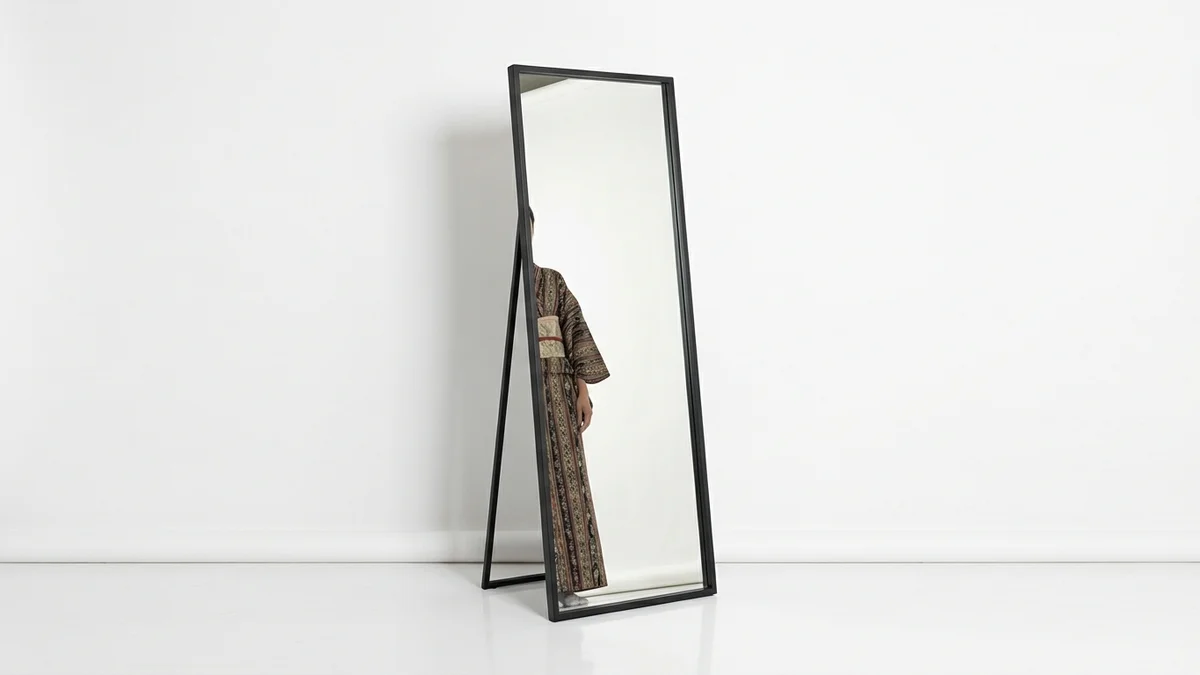
Perfect for checking how traditional Nepali dress drapes on your body. Full-length view essential for sari pleating.
View on Amazon →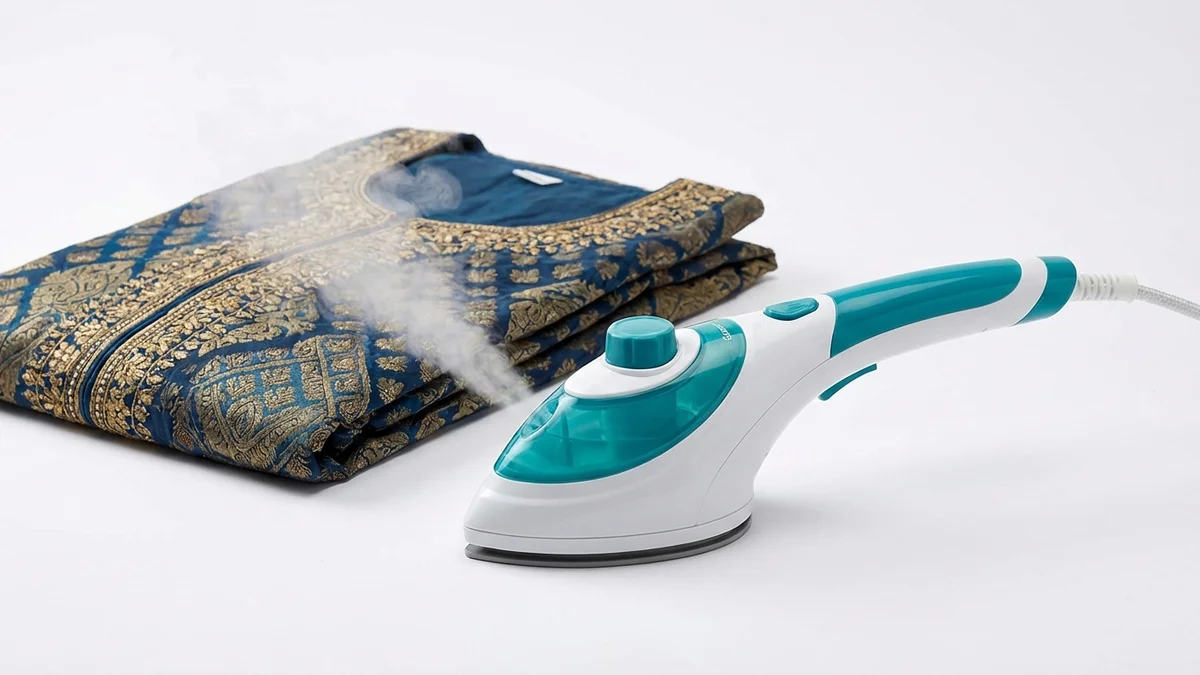
Remove wrinkles from delicate sari fabric and Daura without damage. Essential for maintaining traditional garment appearance.
View on Amazon →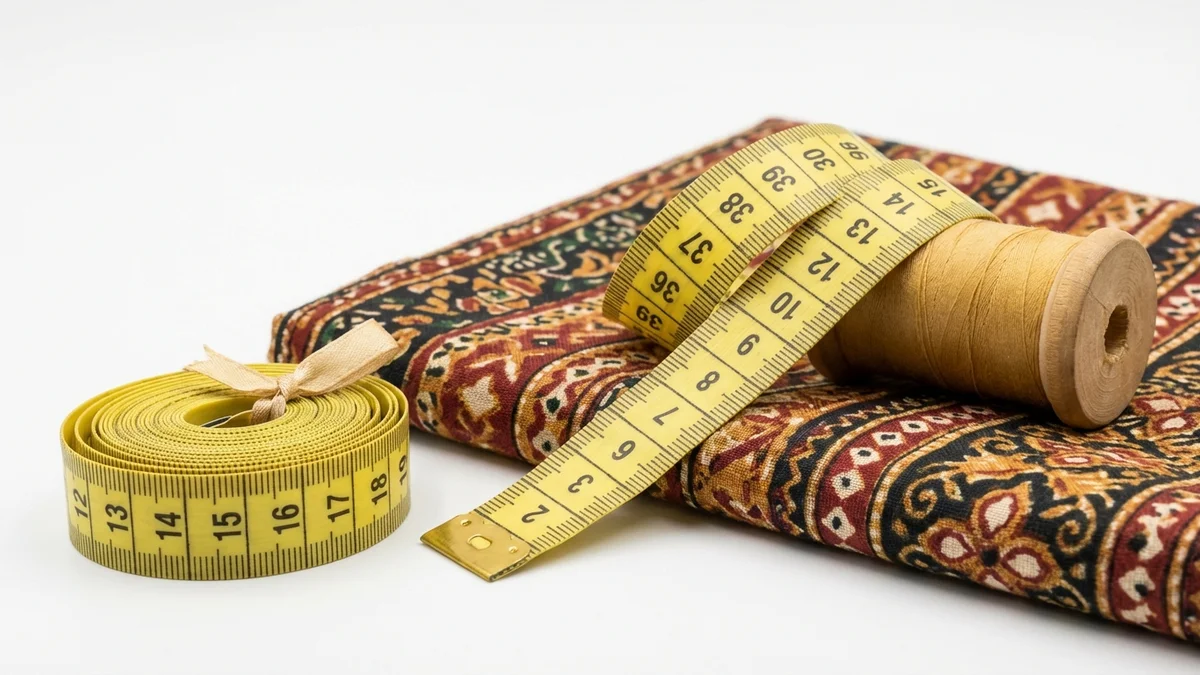
Accurate measurements ensure proper fit when ordering Daura Suruwal or Gunyo Cholo online. Essential for custom orders.
View on Amazon →Modern Adaptations of Nepali Traditional Dress
Traditional Nepali clothing continues evolving. Young designers blend heritage elements with contemporary fashion, keeping cultural dress relevant.
Contemporary Daura Suruwal
Modern versions feature:
- Lighter fabrics for comfort
- Subtle pattern variations
- Slimmer fits
- Designer waistcoats
Fusion Styles
Many young Nepalis mix traditional and modern:
- Dhaka fabric in Western-cut shirts
- Traditional prints on modern silhouettes
- Topi with casual outfits
- Gunyo Cholo elements in evening wear
Preservation Efforts
International Nepali Dhoti and Topi Day (January 1st) encourages wearing traditional dress globally. The diaspora community keeps traditions alive through cultural events and celebrations.
Frequently Asked Questions
What is Daura Suruwal?
Daura Suruwal is Nepal's national dress for men, consisting of a knee-length closed-neck shirt (Daura) and fitted trousers (Suruwal). The Daura features eight strings representing Hindu goddesses and five pleats symbolizing Buddhist wisdom. It became the official national dress in 2017.
What is Gunyo Cholo?
Gunyo Cholo is Nepal's traditional dress for women, combining a colorful wrap-around skirt (Gunyo) with a fitted blouse (Cholo). Families gift this outfit to daughters at age seven or eight during a ceremony marking their transition to womanhood.
What is Haku Patasi?
Haku Patasi is the traditional dress of Newar women in Kathmandu Valley. It's a distinctive black cotton sari with red border, still worn daily by farming women and reserved for festivals by others. The black and red color combination is uniquely Newar.
What do Sherpas wear in Nepal?
Sherpas wear Bakhu (also called Chuba), a thick woolen robe tied with a sash. This heavy garment protects against Himalayan cold. Men pair it with Shamtab trousers, while women wear the Kira dress variant. The practical design suits mountain life.
What do the 8 strings on Daura represent?
The eight strings (Astamatrika Singini) represent the eight mother goddesses in Hindu mythology: Brahmayani, Maheswari, Kumari, Vaishnavi, Varahi, Indrayani, Chamunda, and Mahalaxmi. Number eight is also considered lucky in Nepali culture.
When is International Nepali Dress Day?
International Nepali Dhoti and Topi Day falls on January 1st each year. Nepalis worldwide wear traditional Daura Suruwal with Dhaka Topi to celebrate cultural heritage and national identity. The day promotes preservation of traditional dress.
Can tourists wear traditional Nepali clothing?
Yes, tourists are welcome to wear traditional Nepali clothing. It's considered respectful and appreciated by locals. Many visitors rent or purchase outfits for weddings, festivals, or cultural experiences. Proper wearing shows cultural appreciation.
Where can I buy authentic Nepali traditional dress online?
Authentic Nepali traditional dress is available from Swodeshi.com (ships worldwide), Boutique Nepal (Australia), and specialty Nepali stores. For custom pieces, contact Kathmandu tailors directly. Always verify Dhaka fabric authenticity and traditional construction methods.
Conclusion
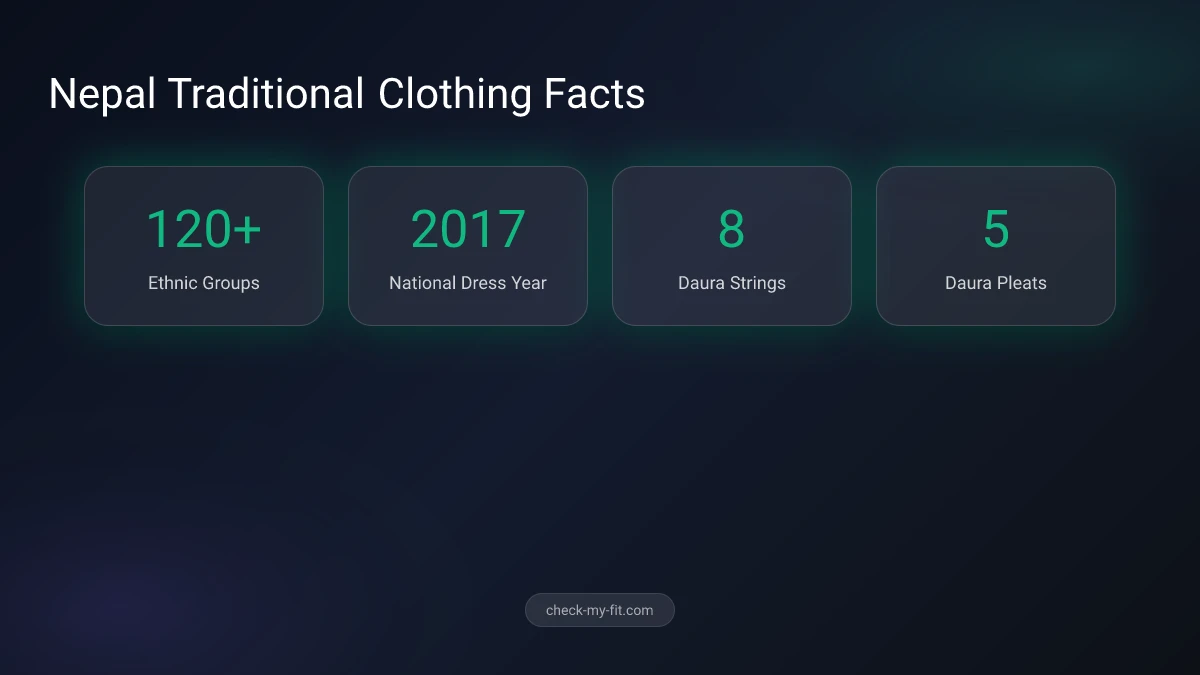
Nepal's traditional clothing represents centuries of cultural evolution across 120+ ethnic groups. From the symbolism-rich Daura Suruwal to the elegant Gunyo Cholo, each garment carries deep meaning and connection to Nepali identity.
Whether you're attending a cultural event, celebrating heritage, or simply curious about this beautiful tradition, understanding Nepali dress opens a window into one of Asia's most diverse cultures.
Ready to see how traditional Nepali clothing would look on you? Try CheckMyFit's virtual try-on to preview different styles before making your choice. Experience the elegance of Nepali dress from anywhere in the world.