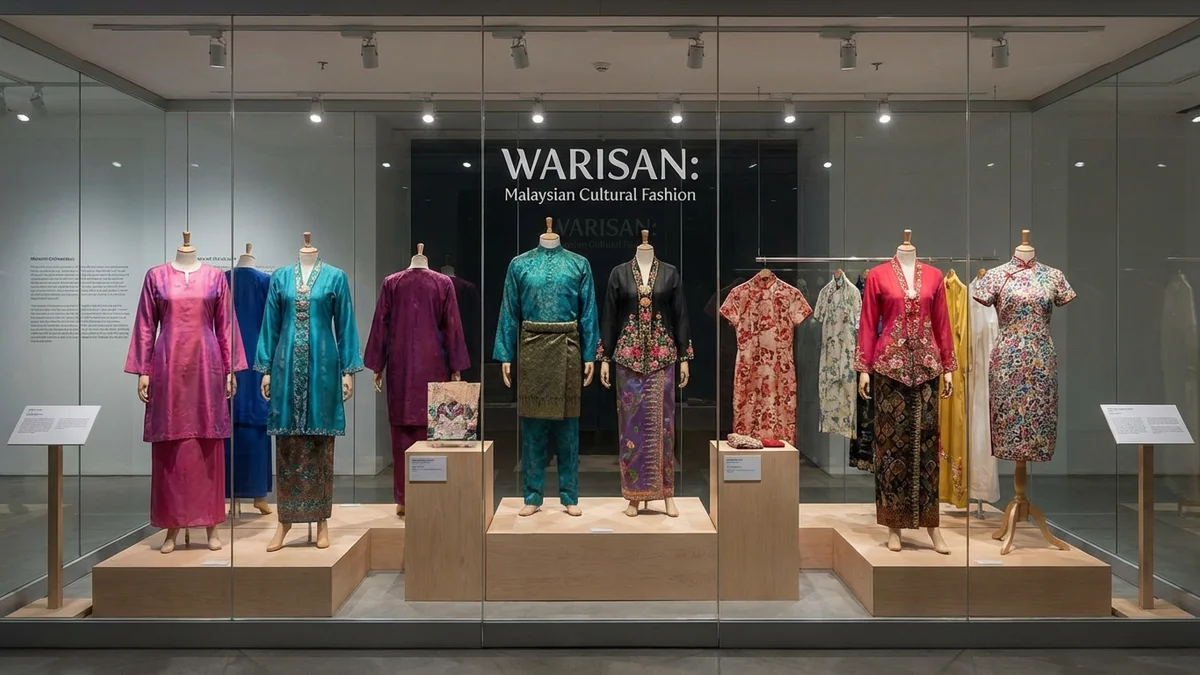
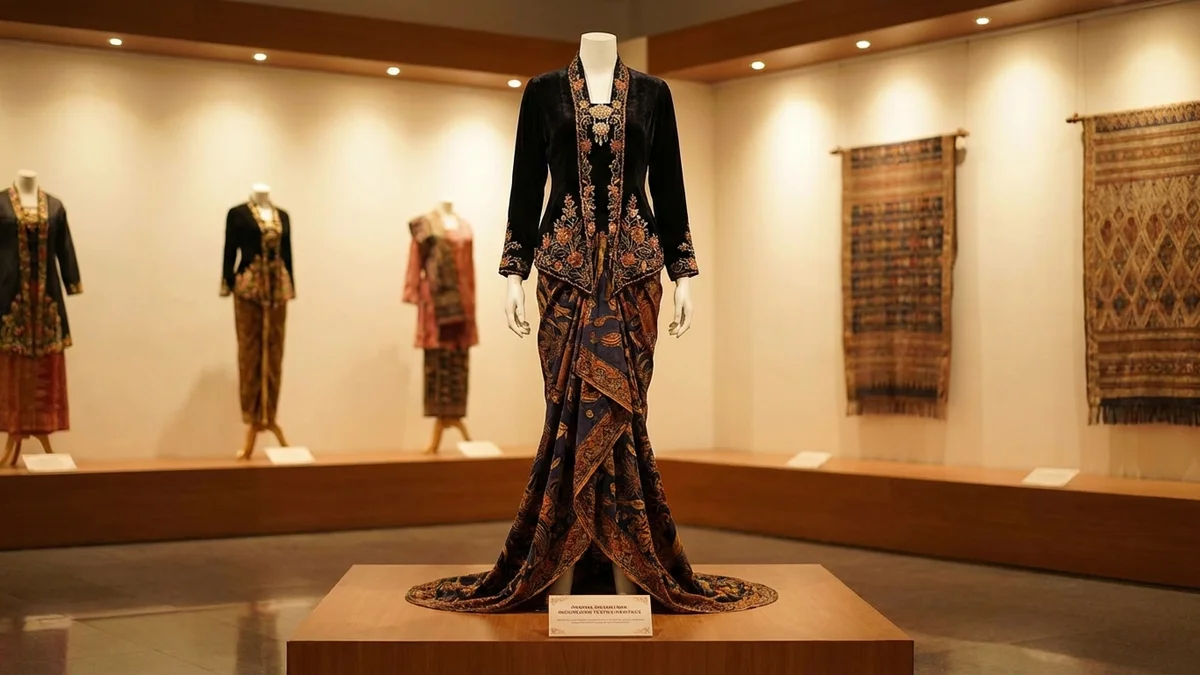
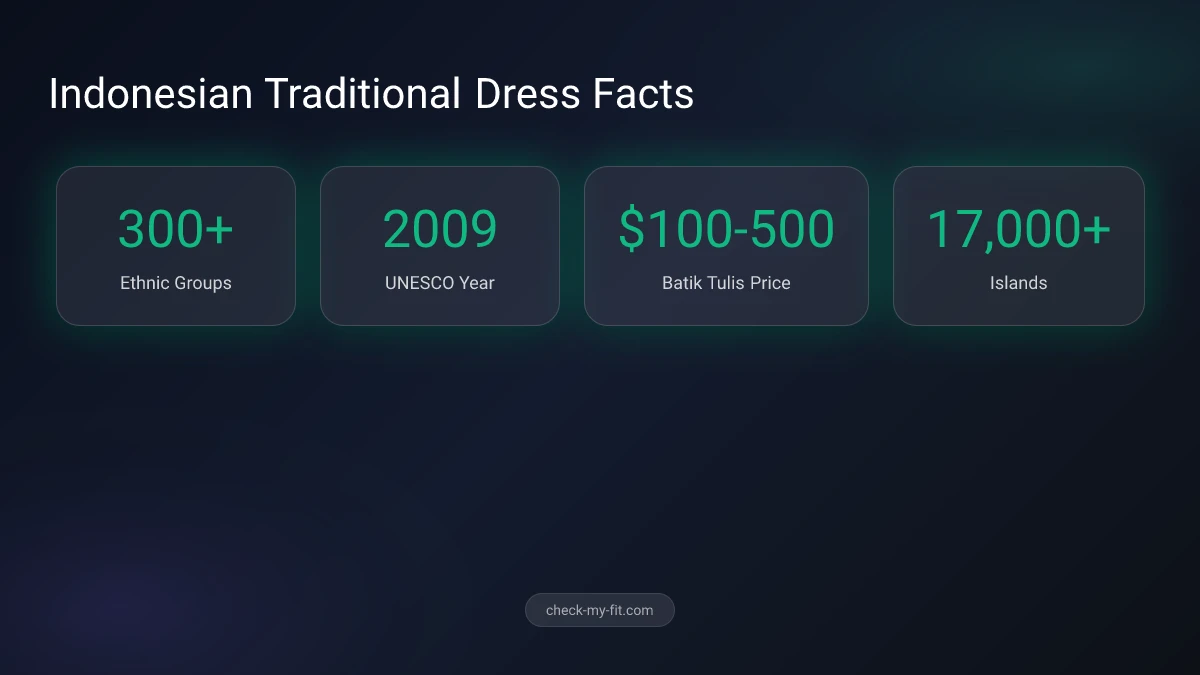
Indonesian traditional dress represents one of the world's most diverse fashion heritages. With over 300 ethnic groups across 17,000 islands, Indonesia offers a stunning array of traditional garments, from the globally recognized batik to the elegant kebaya.
This guide covers everything about traditional Indonesian clothing—from batik's UNESCO heritage status to regional costumes worn across the archipelago. Whether you're planning a cultural event, exploring Indonesian fashion, or simply curious about Southeast Asian traditions, you'll discover the rich history behind these iconic garments.
UNESCO designated Indonesian batik as a Masterpiece of Oral and Intangible Heritage of Humanity on October 2, 2009.
What Is Traditional Indonesian Dress Called?
Traditional Indonesian dress is collectively known as "Pakaian Nasional Indonesia" or national costume. The two most recognized garments are batik (wax-resist dyed fabric) and kebaya (fitted blouse), which originate from Java and Bali but have become symbols of Indonesian identity nationwide.
Indonesia's vast cultural diversity means each region has distinct traditional attire:
| Region | Traditional Dress | Key Features |
|---|---|---|
| Java | Batik & Kebaya | Wax-resist patterns, fitted blouse |
| Bali | Kebaya Bali | V-neckline, colorful fabrics |
| Sumatra | Songket & Ulos | Gold threads, sacred cloth |
| Sulawesi | Baju Bodo | Transparent blouse, bright colors |
| Borneo | Dayak attire | Beadwork, feathered headgear |
Key Takeaway: Indonesian traditional dress varies dramatically by region, but batik and kebaya have achieved national status as the country's most recognized cultural garments.
What Is Batik and Why Is It Important?
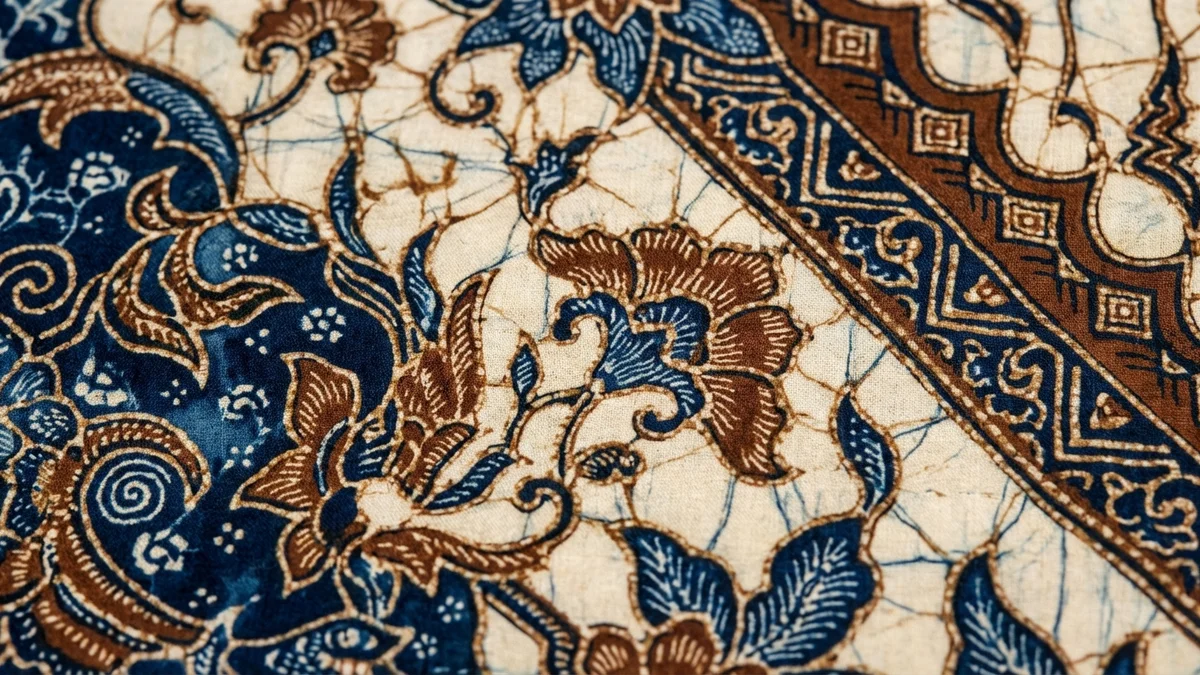
Batik is a traditional fabric created using a wax-resist dyeing technique to form intricate patterns. Each design carries cultural meaning, symbolizing social status, nature, philosophical beliefs, or regional identity. Batik originated in Java and became Indonesia's most famous textile art form.
History of Batik
Batik has been practiced in Java for centuries, with the technique likely dating to the 6th or 7th century. The craft developed in royal courts of Yogyakarta and Surakarta, where specific patterns were reserved for nobility.
Key historical milestones:
- 6th-7th century: Batik technique emerges in Java
- 1677: First recorded mention of batik in Dutch records
- 1873: Cap (copper stamp) batik introduced
- 2009: UNESCO recognizes Indonesian batik as intangible cultural heritage
Types of Batik
| Type | Description | Price Range |
|---|---|---|
| Batik Tulis | Hand-drawn wax patterns, most valuable | $100-$500+ |
| Batik Cap | Copper stamp patterns, faster production | $30-$100 |
| Batik Kombinasi | Combined hand-drawn and stamped | $50-$200 |
| Batik Print | Machine-printed patterns | $10-$30 |
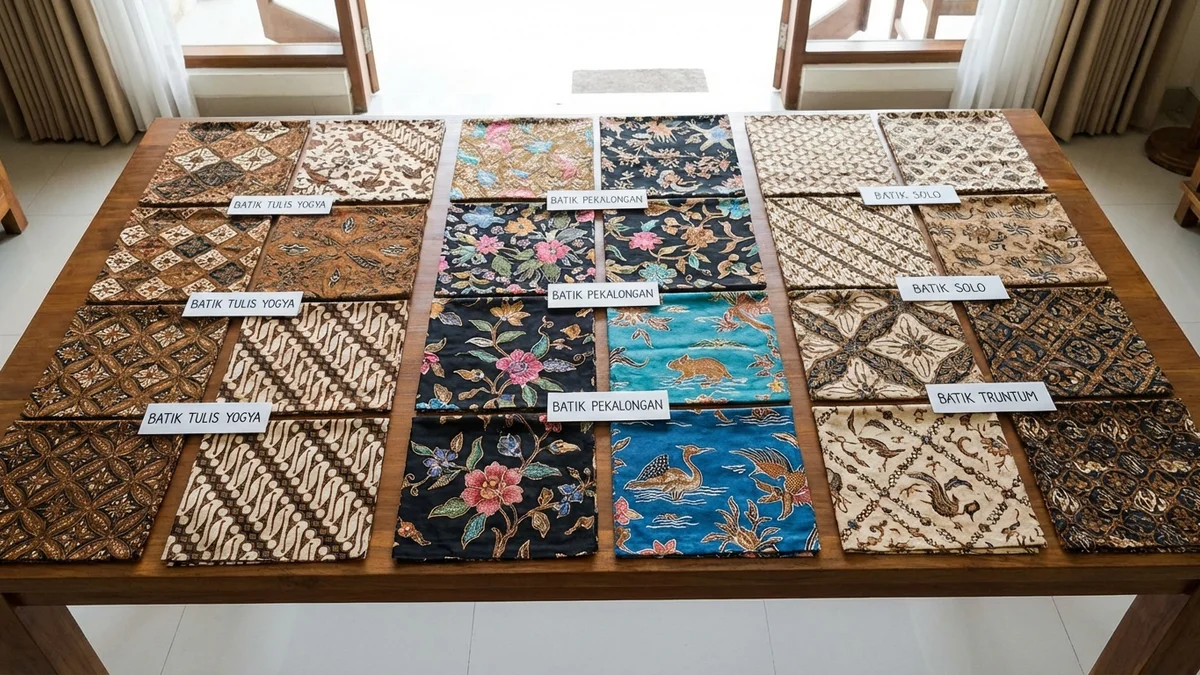
Regional Batik Styles
- Yogyakarta: Geometric patterns, brown and indigo colors
- Solo (Surakarta): Delicate patterns, natural dyes
- Pekalongan: Bright colors, coastal influences
- Cirebon: Cloud (mega mendung) patterns
- Lasem: Chinese-influenced designs, red colors
What Is a Kebaya Dress?
A kebaya is a traditional fitted blouse worn by Indonesian women, typically paired with a batik sarong or kain. Made from sheer fabrics like lace, silk, or cotton, the kebaya features a fitted bodice and flared waist, creating an elegant silhouette that has become Indonesia's national dress for women.
Origins of Kebaya
The kebaya originated in the courts of the 15th-century Javanese Majapahit Kingdom. It developed as a modest alternative to the kemban (torso wrap) worn by aristocratic women, adapting to Islamic influence and European contact.
Regional Kebaya Variations
Javanese Kebaya The quintessential style features cotton, silk, lace, or brocade fabric with a central opening fastened by a brooch (kerongsang). Colors tend toward earth tones and pastels.
Balinese Kebaya Features a V-neckline with folded collar, often decorated with lace. Usually tight-fitting with colorful, semi-transparent fabrics and floral embroidery.
Sundanese Kebaya (Bandung) Uses a shawl collar forming a V-neckline with buttons. Made from brocade and paired with long batik cloth.
Encim Kebaya (Jakarta/Betawi) Distinguished by smaller, finer embroidery, lighter fabrics, and more vibrant colors. Often paired with coastal batik patterns.
Components of Traditional Kebaya Attire
- Kebaya - The fitted blouse
- Kain/Kamben - Batik cloth wrapped as skirt
- Sabuk - Wide sash wrapped around torso
- Selendang - Decorative outer cummerbund
- Kerongsang - Brooch set to fasten the front
Regional Traditional Costumes of Indonesia
Beyond batik and kebaya, Indonesia's diverse regions showcase unique traditional dress:
Sumatra
Ulos (Batak) Sacred handwoven cloth from North Sumatra, draped over shoulders during ceremonies. Believed to carry protective powers and gifted during weddings, births, and funerals.
Songket (Palembang & Minangkabau) Luxurious handwoven fabric with gold and silver threads. Historically worn by royalty during weddings and ceremonies.
Baju Kurung Enclosed dress commonly worn throughout Sumatra, featuring loose fit and modest coverage.
Sulawesi
Baju Bodo Bugis-Makassar women's traditional blouse from South Sulawesi. Known for its loose, somewhat transparent design and vibrant colors.
Sa'dan Traditional woven fabric from Tana Toraja with intricate black and red motifs, worn during Torajan rituals.
Bali
Balinese Kebaya with Kamben Women's ensemble featuring lace kebaya with batik or endek sarong, worn during temple ceremonies and cultural events.
Udeng Traditional Balinese headscarf worn by men during ceremonies.
Borneo (Kalimantan)
Dayak Traditional Dress Colorful attire featuring distinctive beadwork, woven patterns, and feathered headgear. Often worn during harvest festivals, reflecting close connection with nature.

How to Wear Indonesian Traditional Dress
Wearing batik and kebaya correctly honors Indonesian cultural traditions. Here's how to style these garments:
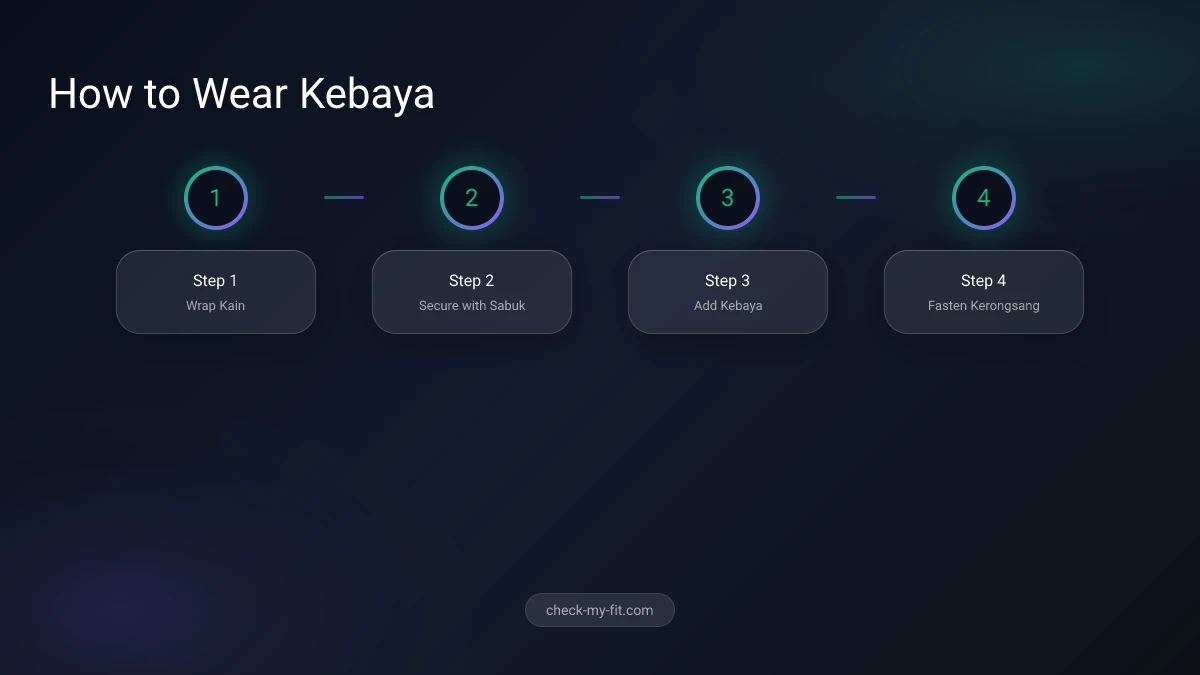
Wearing Kebaya
- Start with the kain (batik cloth)
- Wrap around your waist from right to left
- Secure with sabuk (wide sash) wrapped multiple times
- Put on the kebaya blouse
- Wear loosely over the wrapped kain
- The fitted waist should fall naturally over hips
- Add the selendang
- Wrap as outer cummerbund to cinch at waist
- Or drape over shoulder for formal occasions
- Fasten with kerongsang
- Use three-piece brooch set at center front
- Traditional placement: collar, center, and lower opening
Wearing Batik for Men
- Formal: Long-sleeve batik shirt with dark pants
- Semi-formal: Short-sleeve batik shirt
- Traditional ceremony: Batik cloth wrapped as sarong with beskap jacket
Try Indonesian Traditional Dress Virtually
Curious how traditional Indonesian dress would look on you? Modern technology makes it possible to visualize yourself in batik, kebaya, or regional costumes without traveling to Indonesia.
CheckMyFit offers virtual try-on technology that lets you:
- See how different kebaya styles suit your body type
- Experiment with batik patterns and colors
- Visualize traditional dress for cultural events
- Preview outfits before purchasing online
This AI-powered tool helps bridge the gap between interest in Indonesian fashion and actually wearing it. Upload your photo, select traditional Indonesian garments, and see realistic previews of how they'd look on you.
Virtual try-on technology has helped reduce online clothing returns by 20-30% by showing accurate fit previews.
Whether you're preparing for a wedding, cultural celebration, or simply exploring Indonesian fashion, virtual try-on removes the guesswork from traditional dress selection.
Recommended Products for Indonesian Fashion
Complete your Indonesian traditional dress collection with these essential items:
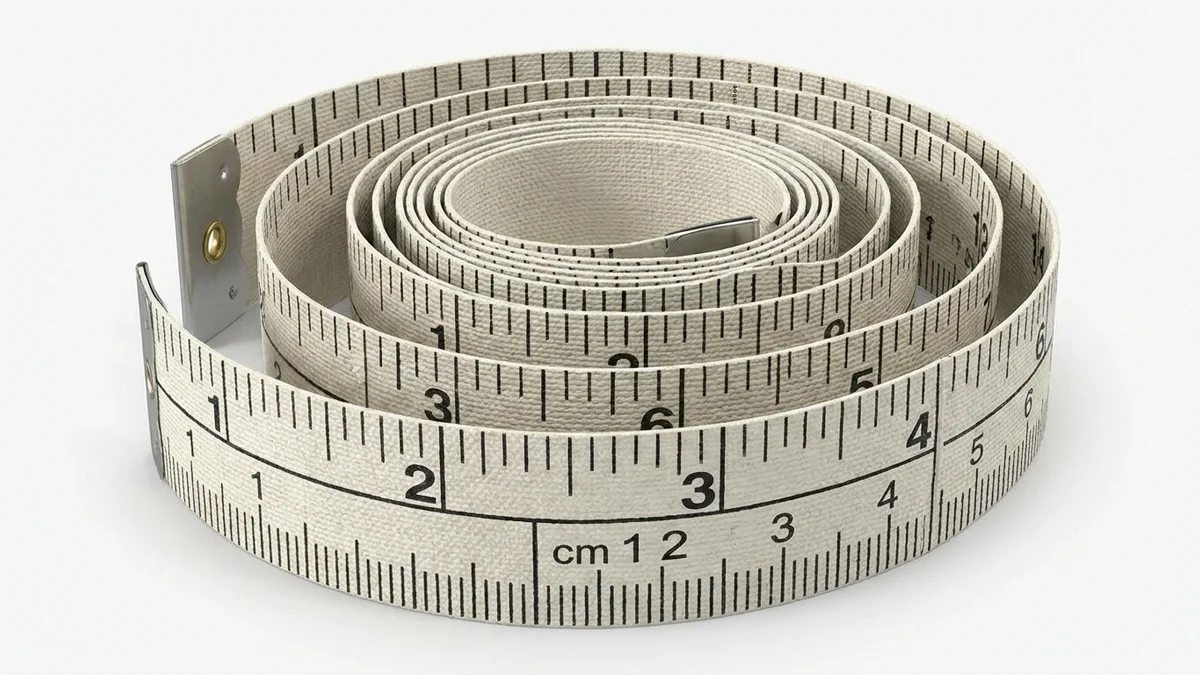
Essential for taking accurate measurements before ordering traditional Indonesian clothing. Ensures proper fit for kebaya and batik garments.
View on Amazon →
Gentle steam removes wrinkles from delicate batik and kebaya fabrics without damaging the material. Safe for silk and lace.
View on Amazon →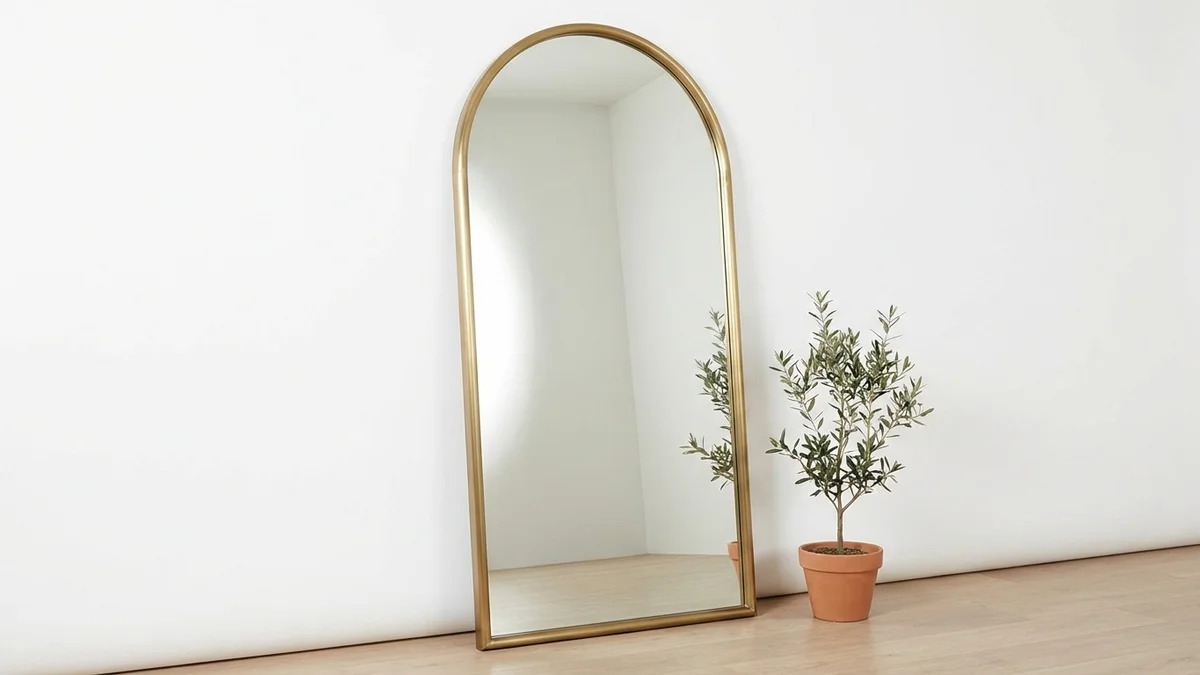
Full-length view essential for checking traditional dress fit. See how your kebaya and batik ensemble looks from head to toe.
View on Amazon →Caring for Traditional Indonesian Clothing
Proper care preserves the beauty and longevity of batik and kebaya:
Washing Batik
- Use non-alkaline soap, baby shampoo, or lerak (natural nut soap)
- Soak 5-10 minutes in cool water
- Hand wash gently—never machine wash
- Rinse thoroughly with clean water
- Air dry away from direct sunlight
- Never use dryer (damages colors and fabric)
Ironing Tips
- Turn garments inside out
- Use medium heat setting
- Place thin cloth between iron and batik
- Steam kebaya rather than direct ironing
Storage
- Hang kebaya to maintain shape
- Fold batik cloth loosely to prevent creases
- Store in breathable garment bags
- Add cedar blocks to prevent moths
Frequently Asked Questions
What is the difference between batik and kebaya?
Batik refers to the wax-resist dyed fabric used for sarongs, skirts, and shirts, while kebaya is a fitted blouse traditionally worn by women. They're often worn together—a kebaya top paired with a batik kain (skirt)—creating a complete traditional ensemble.
Is Indonesian batik a UNESCO heritage?
Yes, UNESCO designated Indonesian batik as a Masterpiece of Oral and Intangible Heritage of Humanity on October 2, 2009. This recognition acknowledges batik's cultural significance, artistic techniques, and role in Indonesian identity across generations.
When do Indonesians wear traditional clothing?
Indonesians wear traditional dress for weddings, religious ceremonies, cultural festivals, and formal occasions. National Kartini Day (April 21) sees schoolgirls nationwide wearing traditional regional dress. Government officials often wear batik for formal meetings.
Can tourists wear traditional Indonesian clothing?
Yes, tourists are welcome to wear Indonesian traditional dress respectfully. Many visitors wear batik shirts casually or rent kebaya for temple visits and cultural events. Wearing traditional dress shows appreciation for Indonesian culture when done respectfully.
What accessories complete Indonesian traditional dress?
Traditional accessories include kerongsang (brooch set), selendang (sash/shawl), and traditional jewelry. Men wear peci or songkok (cap) for formal occasions. Regional variations include different headdresses like Balinese udeng or Javanese blangkon.
How much does authentic batik cost?
Prices vary significantly by type. Hand-drawn batik tulis costs $100-$500+ per piece due to labor intensity. Stamped batik cap ranges $30-$100, while machine-printed batik costs $10-$30. Quality, design complexity, and regional origin affect pricing.
What should I wear when visiting Indonesian temples?
Temple visits require modest dress covering shoulders and knees. Carry a scarf or shawl to cover arms. Men typically wear or rent a sarong sash. Some temples provide rental clothing for visitors who arrive underdressed.
Are there different dress codes across Indonesia?
Yes, dress expectations vary by region. Major cities like Jakarta and Bali accept Western casual wear, while conservative areas like Aceh require more modest clothing. When in doubt, opt for covered shoulders and knee-length bottoms.
Embrace Indonesian Fashion Heritage
Indonesian traditional dress represents centuries of cultural artistry and regional identity. From the intricate patterns of Javanese batik to the elegant silhouette of the kebaya, these garments tell stories of heritage, craftsmanship, and national pride.
Curious how traditional Indonesian dress would look on you? Try CheckMyFit to virtually experiment with batik, kebaya, and regional costumes. See authentic styles on your own photo before your next cultural event or Indonesian adventure.
Discover the beauty of Indonesian fashion heritage—your perfect traditional look awaits.