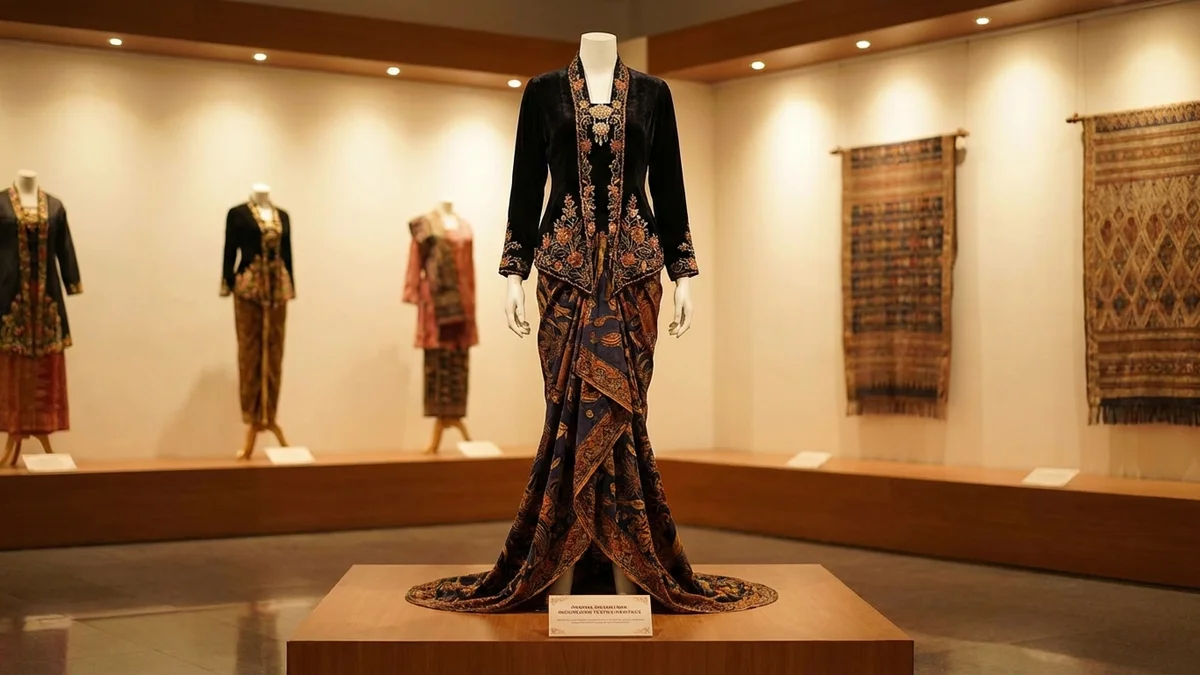
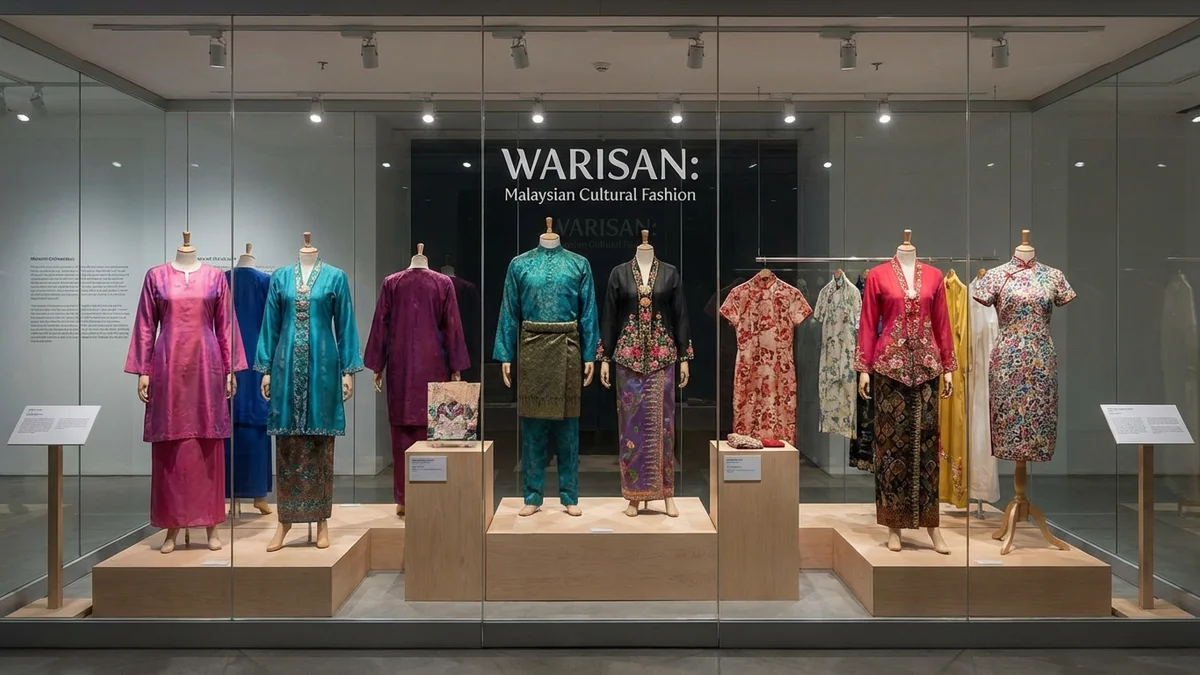
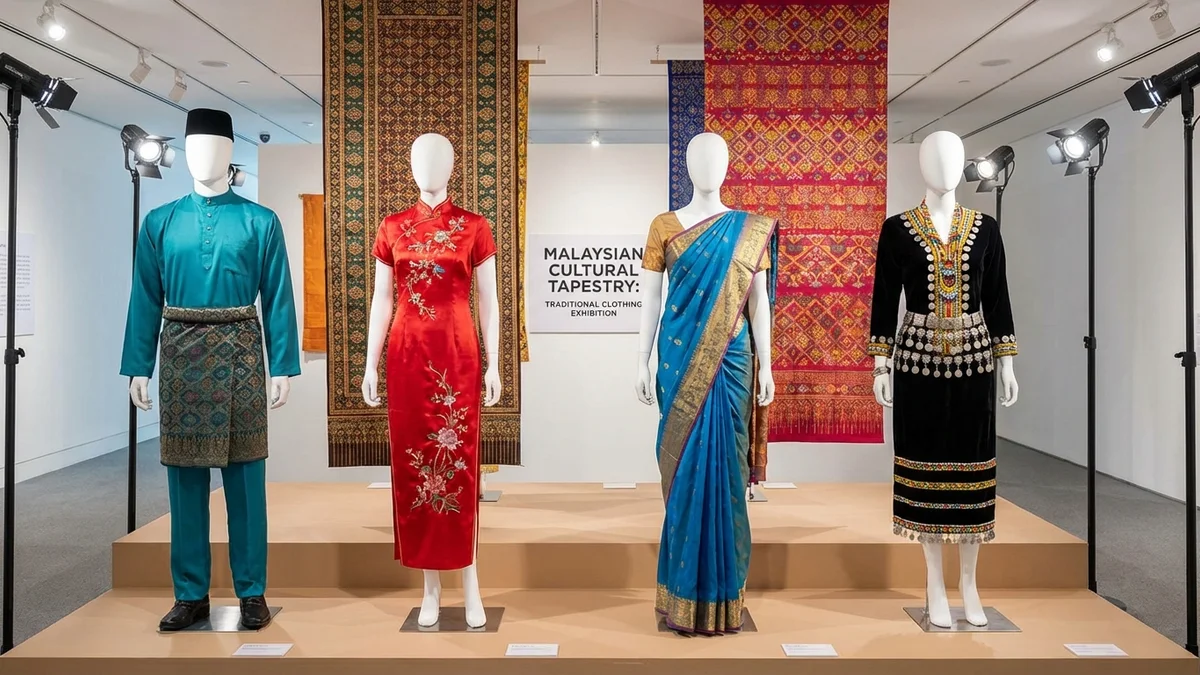
Malaysia's traditional dress reflects one of the world's most diverse cultural tapestries. From the elegant baju kurung worn by Malay women to the colorful sari of Indian Malaysians, each garment tells a story of heritage, religion, and artistic craftsmanship spanning centuries.
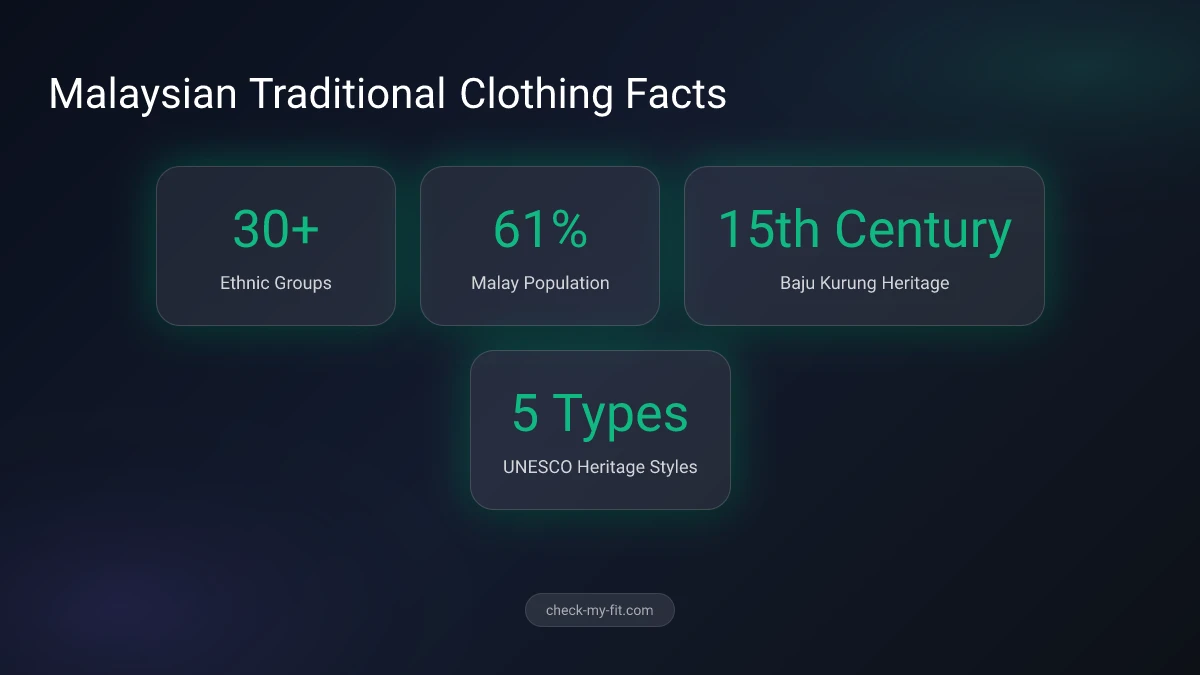
With over 30 ethnic groups calling Malaysia home, the country's traditional clothing represents a living museum of textile traditions. Whether you're planning to attend a Malaysian wedding, celebrating Hari Raya, or simply curious about Southeast Asian fashion, understanding these garments opens a window into Malaysian culture.
This guide covers everything about traditional dress in Malaysia. You'll learn the different types, their history, how to wear them properly, and even how to try them on virtually before buying.
At a Glance
Malaysia's traditional dress varies by ethnic group: Malays wear baju kurung (women) and baju melayu (men), Chinese Malaysians favor the cheongsam, and Indian Malaysians wear sari. Traditional fabrics include luxurious songket and vibrant batik. These garments are worn during festivals like Hari Raya and Chinese New Year. Today, you can virtually try on Malaysian traditional clothing using AI technology before purchasing.
What Is Malaysian Traditional Dress?
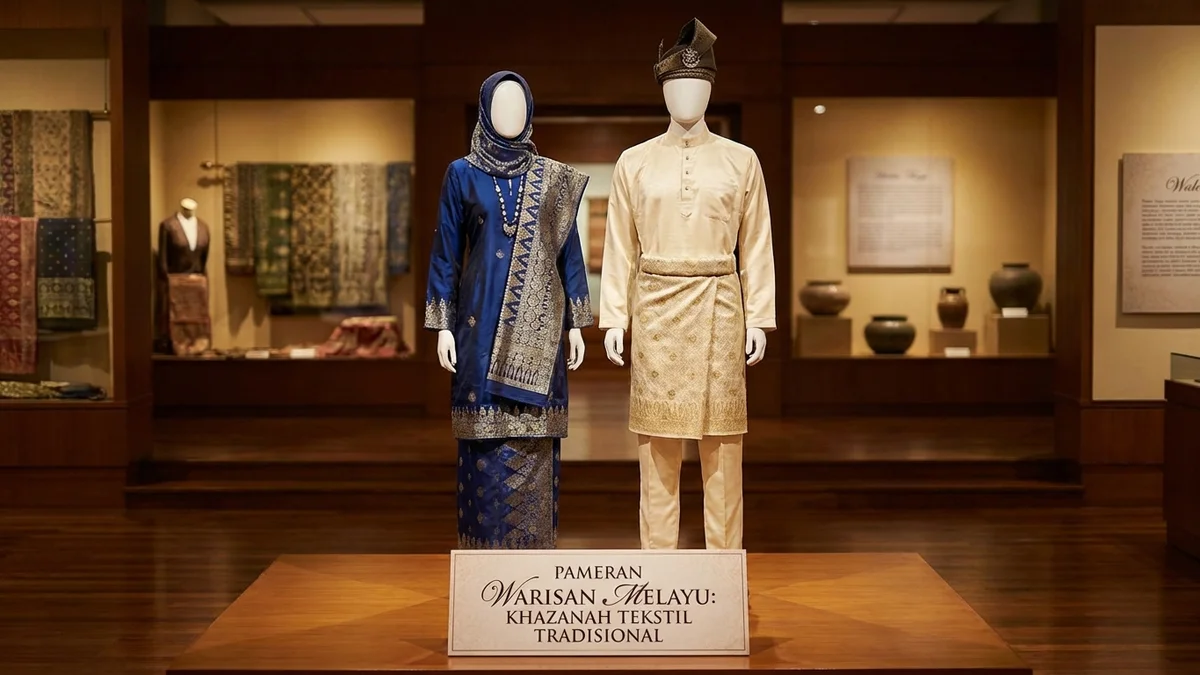
Malaysian traditional dress refers to the cultural garments worn by Malaysia's diverse ethnic communities. Each major group—Malay, Chinese, Indian, and indigenous peoples—maintains distinct clothing traditions that reflect their cultural heritage, religious practices, and regional influences.
Key Takeaway: Malaysia has no single national costume. Instead, its traditional dress represents a beautiful diversity of styles from multiple ethnic communities, all recognized as part of Malaysian cultural heritage.
The most recognizable Malaysian garments include:
- Baju Kurung – Loose-fitting two-piece outfit for Malay women
- Baju Melayu – Long-sleeved shirt with trousers for Malay men
- Kebaya – Fitted blouse, often paired with batik sarong
- Cheongsam – Form-fitting Chinese dress
- Sari – Draped Indian garment
These garments trace their origins to various historical periods. The baju kurung and baju melayu emerged from the 15th-century Malacca Sultanate. The cheongsam arrived with Chinese immigrants, while the sari came with Indian traders and settlers.
Malaysia is home to over 30 ethnic groups, each with distinct traditional clothing traditions that contribute to the nation's cultural richness.
Types of Traditional Clothing in Malaysia
Malaysia's multicultural society means several distinct clothing traditions coexist. Here's a comprehensive look at each community's traditional dress.
Malay Traditional Dress
The Malay community, comprising about 61% of Malaysia's population, has developed several iconic garments over centuries.
For Women: Baju Kurung
The baju kurung is the national dress of Malaysia for women. Its name translates to "enclosed dress" in Malay. The outfit consists of a loose, knee-length blouse worn over a long skirt called a sarong.
| Feature | Description |
|---|---|
| Top | Loose-fitting, long-sleeved blouse |
| Bottom | Pleated sarong reaching ankles |
| Neckline | Usually round and collarless |
| Fabric | Cotton, silk, or satin |
| Common occasions | Daily wear, office, festivals |
The baju kurung was popularized by Tun Hassan Temenggong during the 15th-century Malacca Sultanate. In 2015, five variations of baju kurung were gazetted as Malaysia's intangible cultural heritage:
- Baju Kurung Teluk Belanga (Johor) – Smooth neckline, no collar
- Baju Kurung Kedah – Shorter top ending at hips
- Baju Kurung Pahang – Features Cekak Musang collar
- Baju Kurung Cekak Musang – Standing collar with buttons
- Baju Kurung Pesak – Traditional A-line cut
For Women: Baju Kebaya
The kebaya is a more fitted alternative to the baju kurung. This two-piece outfit features a tight-fitting blouse with intricate embroidery or lace detailing, worn with a batik sarong.
The kebaya gained international recognition as the uniform for Malaysia Airlines flight attendants. Its form-fitting silhouette and elaborate decorations make it popular for formal events and weddings.
For Men: Baju Melayu
The baju melayu is the male counterpart to the baju kurung. It consists of:
- Long-sleeved shirt
- Matching trousers
- Samping – Short sarong wrapped around the waist
- Songkok – Traditional cap
- Tengkolok – Elaborate headgear for special occasions
Chinese Malaysian Traditional Dress
Chinese Malaysians maintain clothing traditions brought from mainland China, adapted over generations.
For Women: Cheongsam (Qipao)
The cheongsam is a form-fitting, one-piece dress with distinctive features:
- High Mandarin collar
- Diagonal closure with frog buttons
- Side slits
- Made from silk, satin, or brocade
- Often features dragon, phoenix, or floral motifs
Chinese Malaysian women wear the cheongsam during Chinese New Year, weddings, and formal gatherings.
For Men: Tang Suit
Men wear the Tang suit (tangzhuang), featuring:
- High collar with frog buttons
- Straight cut jacket
- Matching trousers
- Traditional patterns or solid colors
Indian Malaysian Traditional Dress
The Indian Malaysian community, primarily Tamil, maintains rich textile traditions.
For Women: Sari
The sari remains the most recognizable Indian garment. This six-yard fabric is draped around the body over a petticoat and blouse (choli). Styles include:
| Sari Style | Description |
|---|---|
| Nivi | Most common draping style |
| Bengali | Pleats on left side |
| Gujarati | Pallu brought over right shoulder |
| South Indian | Often features gold borders |
Salwar kameez and lehenga are also popular among younger Indian Malaysian women.
For Men: Traditional Indian Attire
Indian Malaysian men wear:
- Kurta-pyjama – Knee-length shirt with loose pants
- Dhoti-kurta – Traditional wrapped garment
- Sherwani – Formal embroidered coat for weddings
Indigenous Traditional Dress
Malaysia's indigenous communities have distinct clothing traditions.
Kadazan-Dusun (Sabah)
- Women wear papar – embroidered outfit with gold thread
- Silver coin belts and bamboo headgear called siung
- Black velvet or silk fabric
Iban (Sarawak)
- Women wear bidang cloth with marek empang (chest ornament)
- Sugu tinggi headgear and silver accessories
- Men wear baju burung warrior outfit
Peranakan (Baba Nyonya)
The Peranakan community, descendants of Chinese immigrants who married Malays, developed unique attire:
- Kebaya Nyonya – Intricately embroidered blouse
- Kasot manek – Beaded slippers
- Combines Malay and Chinese design elements
| Community | Women's Attire | Men's Attire |
|---|---|---|
| Malay | Baju Kurung, Kebaya | Baju Melayu |
| Chinese | Cheongsam | Tang Suit |
| Indian | Sari, Salwar Kameez | Kurta, Dhoti |
| Kadazan | Papar with silver accessories | Jacket with siga headgear |
| Iban | Bidang cloth with ornaments | Baju Burung |
| Peranakan | Kebaya Nyonya | Baju Lokchuan |
Traditional Malaysian Fabrics
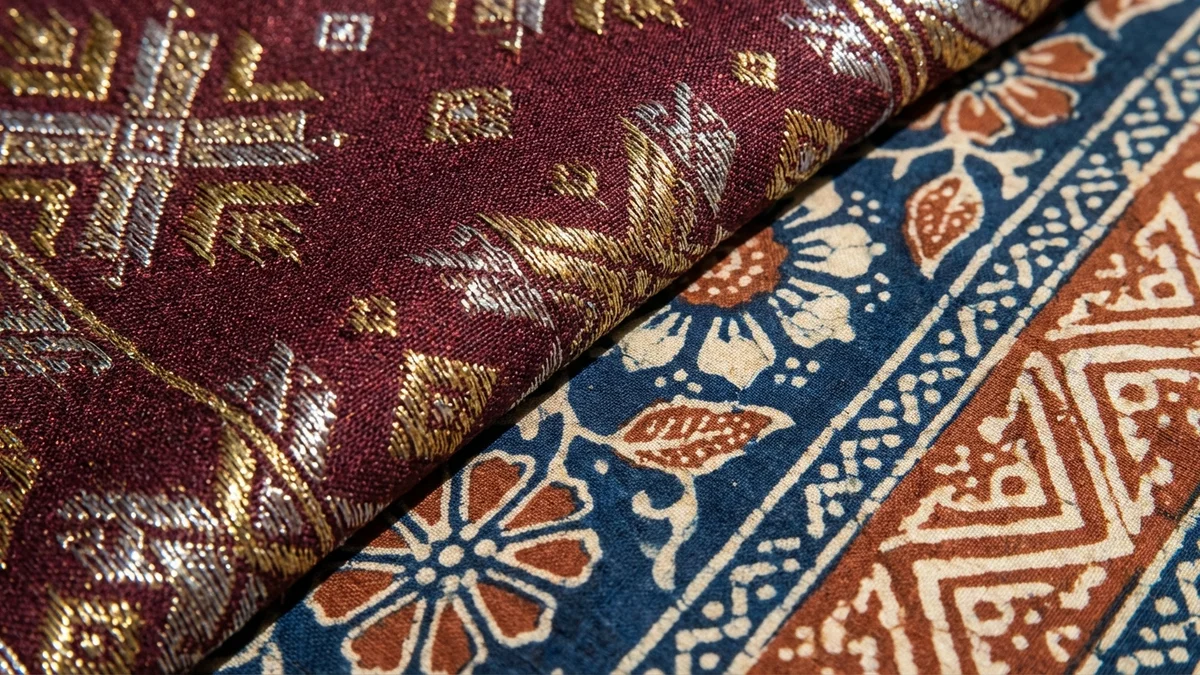
Two fabrics define Malaysian textile heritage: songket and batik.
Songket
Songket is a hand-woven fabric featuring gold or silver metallic threads. The shimmering effect makes it the fabric of royalty and ceremonies.
Characteristics of songket:
- Hand-woven on traditional looms
- Metallic threads create geometric patterns
- Takes weeks or months to complete
- Traditionally worn by Malay royalty
- Popular for wedding attire
Batik
Batik uses a wax-resist dyeing technique to create intricate patterns. Malaysian batik is known for:
- Floral and nature-inspired motifs
- Vibrant color combinations
- Both printed and hand-drawn varieties
- Suitable for casual and formal wear
Malaysian batik production generates significant economic activity, with the batik fashion market projected to grow at 5.85% annually.
How to Wear Malaysian Traditional Clothing?
Wearing Malaysian traditional clothing properly shows respect for cultural heritage. Here's how to wear the most common garments correctly.
Wearing Baju Kurung
The baju kurung consists of a blouse and sarong worn together. The blouse should reach knee-length and have long sleeves. The sarong features pleats on one side, traditionally worn with a wavy fold pattern called ikatan ombak mengalun.
For formal occasions:
- Choose silk, satin, or songket fabric
- Pair with matching tudung (headscarf) if Muslim
- Add selendang (shawl) draped over shoulder
- Wear closed-toe heels or embellished flats
For daily wear:
- Cotton or polyester fabrics work well
- Simpler patterns and colors
- Flat shoes acceptable
Wearing Baju Melayu
Men wear the baju melayu with these components:
- Long-sleeved shirt tucked into trousers
- Samping wrapped around waist from left to right
- Songkok cap placed straight on head
- For formal events, add keris (ceremonial dagger)
Key Takeaway: Proper fitting is essential for traditional Malaysian clothing. A well-tailored baju kurung or baju melayu enhances both comfort and appearance.
When Do Malaysians Wear Traditional Dress?
Traditional Malaysian clothing appears at various occasions throughout the year.
| Occasion | Common Attire |
|---|---|
| Hari Raya Aidilfitri | Baju Kurung, Baju Melayu |
| Chinese New Year | Cheongsam, Tang Suit |
| Deepavali | Sari, Kurta |
| Weddings | Songket outfits, formal traditional wear |
| National Day | Mixed traditional attire |
| Office wear | Baju Kurung (often required for government) |
While traditional dress was once everyday wear, modern Malaysians typically wear Western clothing daily. Traditional garments are reserved for:
- Religious festivals
- Cultural celebrations
- Weddings and formal events
- Government and official functions
- School cultural activities
Color Symbolism in Malaysian Traditional Dress
Colors carry significant meaning in Malaysian traditional clothing:
| Color | Meaning | Common Usage |
|---|---|---|
| Yellow | Royalty, power | Royal ceremonies, Malay weddings |
| Green | Islam, peace | Religious occasions |
| Red | Prosperity, joy | Chinese New Year, weddings |
| White | Purity, mourning | Varies by community |
| Gold | Wealth, celebration | Festivals, formal events |
During Hari Raya, families often coordinate their outfit colors, creating beautiful group photographs. This tradition strengthens family bonds while celebrating cultural heritage.
Try Malaysian Traditional Dress Virtually
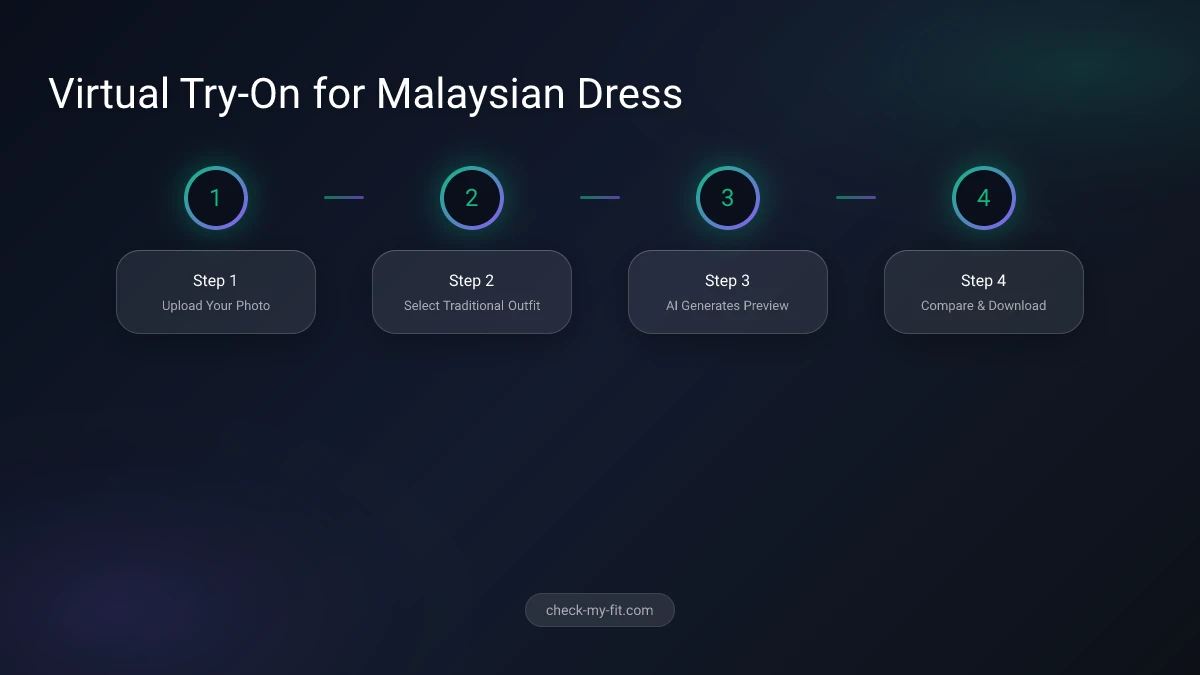
Curious how you'd look in a baju kurung or kebaya? Modern technology makes it possible to try Malaysian traditional clothing virtually before buying.
Virtual try-on technology uses AI to overlay garments onto your photo. You can see how different styles, colors, and fabrics look on your body without physically wearing them.
CheckMyFit offers virtual try-on for traditional clothing:
- Upload your photo
- Select the traditional outfit you want to try
- AI generates a realistic preview
- Compare multiple styles instantly
This technology helps you:
- Find the right fit before purchasing
- Experiment with colors and patterns
- Avoid expensive returns
- Try styles you might not otherwise consider
Whether you're preparing for a Malaysian wedding or exploring cultural fashion, virtual try-on makes experimenting with traditional clothing accessible and risk-free.
Recommended Products for Malaysian Traditional Fashion
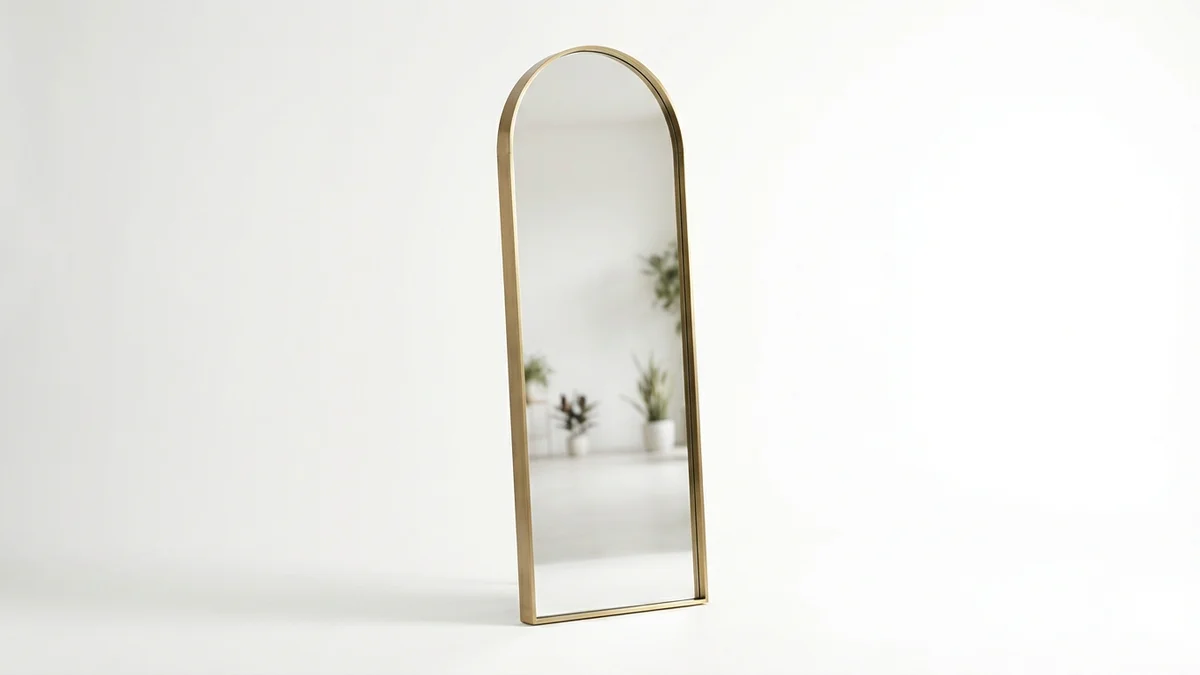
Perfect for checking how traditional clothing fits before heading out. Full-length design shows complete outfit from head to toe.
View on Amazon →
Essential for maintaining traditional silk and songket garments. Removes wrinkles without damaging delicate fabrics.
View on Amazon →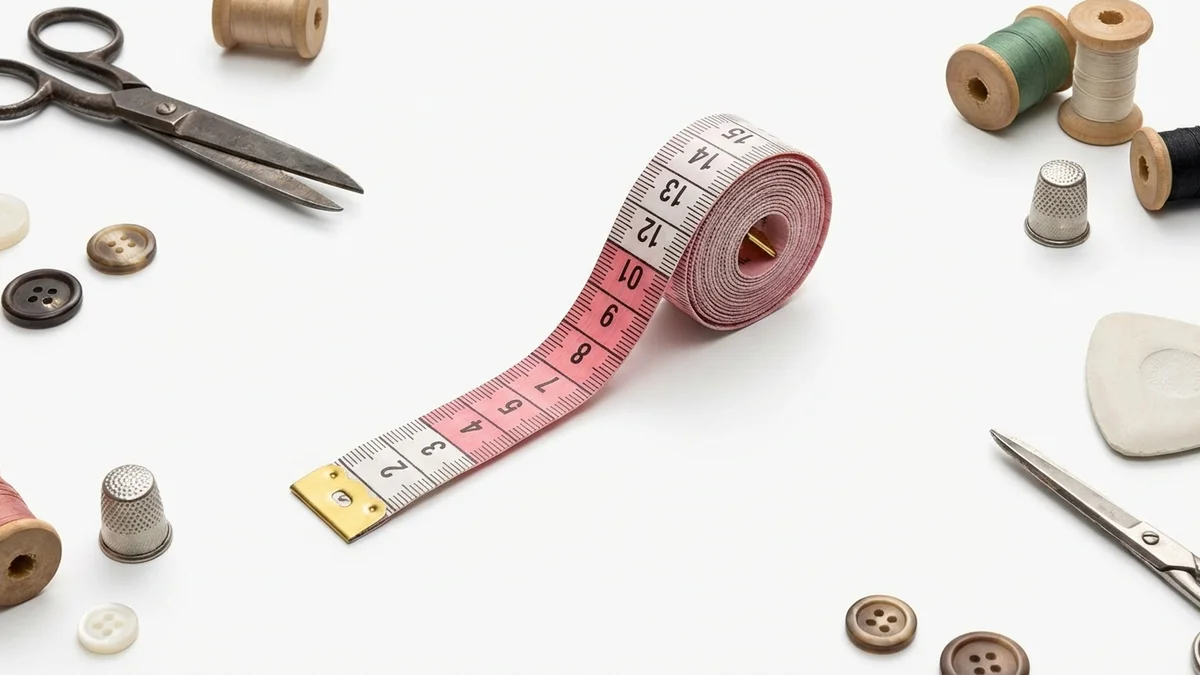
Accurate body measurements ensure properly fitted traditional garments. Essential for ordering custom baju kurung or kebaya.
View on Amazon →Frequently Asked Questions
What is the national dress of Malaysia?
Malaysia doesn't have a single national dress due to its multicultural society. The baju kurung and baju melayu are considered the national dress for Malay Malaysians. However, the cheongsam, sari, and indigenous costumes are equally recognized as Malaysian cultural attire during national celebrations.
What is the difference between baju kurung and kebaya?
The baju kurung is a loose-fitting outfit valued for modesty and comfort, suitable for daily wear. The kebaya is a more fitted, form-hugging blouse with intricate embroidery, typically worn for formal occasions. The kebaya is considered more formal and elegant, while the baju kurung offers more coverage and versatility.
Can foreigners wear Malaysian traditional clothing?
Yes, Malaysians generally welcome tourists wearing their traditional costumes. It's seen as appreciation of their culture rather than appropriation. However, it's respectful to learn the proper way to wear each garment and understand its cultural significance before wearing it.
What fabric is used for Malaysian traditional dress?
Traditional Malaysian clothing uses various fabrics depending on the occasion. Songket (hand-woven with metallic threads) is used for formal events and weddings. Batik (wax-resist dyed fabric) suits both casual and formal wear. Silk and satin are common for ceremonial dress, while cotton and polyester serve everyday needs.
When is traditional Malaysian clothing worn?
Traditional clothing is worn during major festivals like Hari Raya Aidilfitri, Chinese New Year, and Deepavali. It's also worn at weddings, official government functions, cultural events, and National Day celebrations. Some workplaces, especially government offices, require traditional dress on certain days.
What is songket?
Songket is a luxurious hand-woven fabric featuring gold or silver metallic threads woven into silk or cotton. The shimmering effect makes it highly prized for weddings and royal ceremonies. Creating authentic songket requires skilled artisans and can take weeks to complete a single piece.
What colors are significant in Malaysian traditional dress?
Yellow represents royalty and is traditionally reserved for Malaysian royalty. Green symbolizes Islam and peace. Red represents prosperity and joy, especially during Chinese celebrations. White can signify purity or mourning depending on the ethnic community. Gold threads in songket symbolize wealth and celebration.
Where can you buy Malaysian traditional clothing?
Traditional Malaysian clothing is available at craft markets like Central Market in Kuala Lumpur, shopping malls throughout Malaysia, and specialty boutiques. Online platforms like Shopee and Zalora offer modern versions. For authentic songket and custom-made garments, visiting states like Kelantan and Terengganu is recommended.
Conclusion
Malaysian traditional dress represents one of Asia's richest tapestries of cultural fashion. From the elegant simplicity of the baju kurung to the intricate beauty of songket fabric, each garment carries centuries of heritage.
Understanding these traditional garments helps appreciate Malaysia's multicultural identity. Whether you're attending a Malaysian celebration or simply exploring world fashion, knowing the difference between a kebaya and a cheongsam enriches your cultural knowledge.
Ready to see how Malaysian traditional dress would look on you? Try CheckMyFit's virtual try-on to experiment with different styles, colors, and designs from the comfort of your home. No commitment required—just upload your photo and explore.