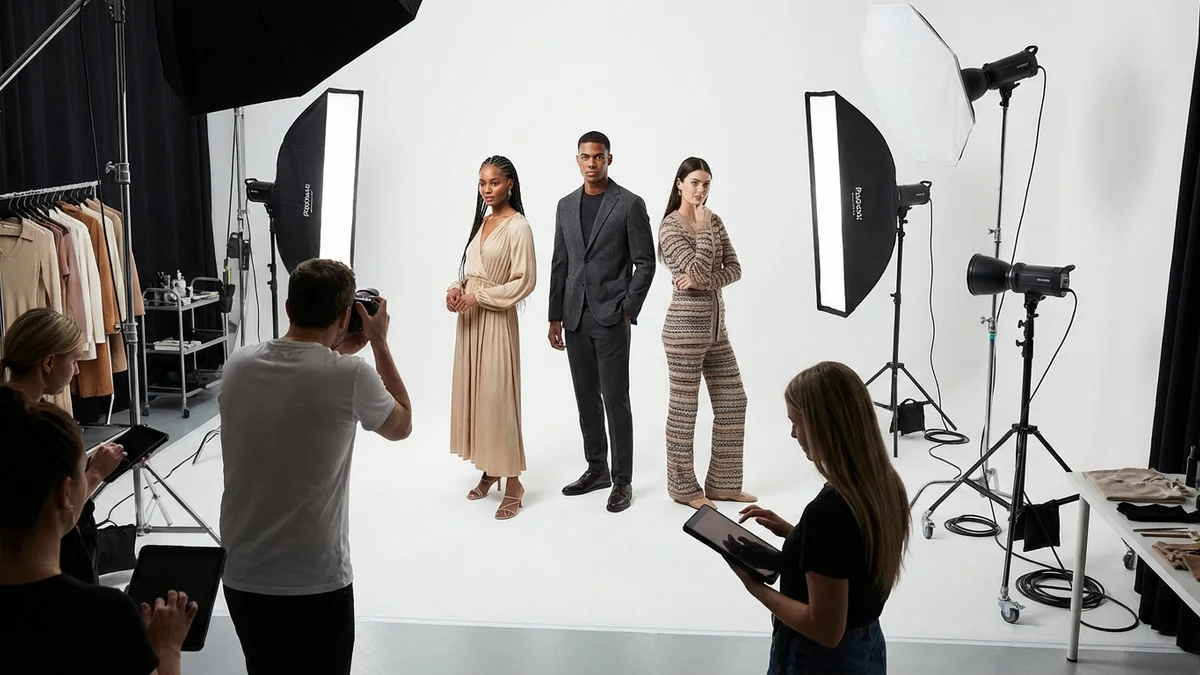
Models for clothes play a crucial role in how we discover, visualize, and purchase fashion. Whether you're a brand looking to showcase your apparel, an aspiring model seeking career guidance, or a shopper wanting to see how clothes look before buying, understanding the world of clothing models is essential. This comprehensive guide covers everything from traditional human models to cutting-edge AI virtual models transforming the fashion industry in 2026.
What Are Models for Clothes?
Models for clothes are individuals or digital representations used to display and showcase clothing items for brands, retailers, and consumers. They serve as the visual bridge between fashion products and potential buyers, helping people understand how garments fit, drape, and look when worn.
There are two main categories: human models who physically wear and present clothing during photoshoots and runway shows, and AI-generated virtual models created using advanced technology to display clothes digitally without requiring traditional photography sessions.
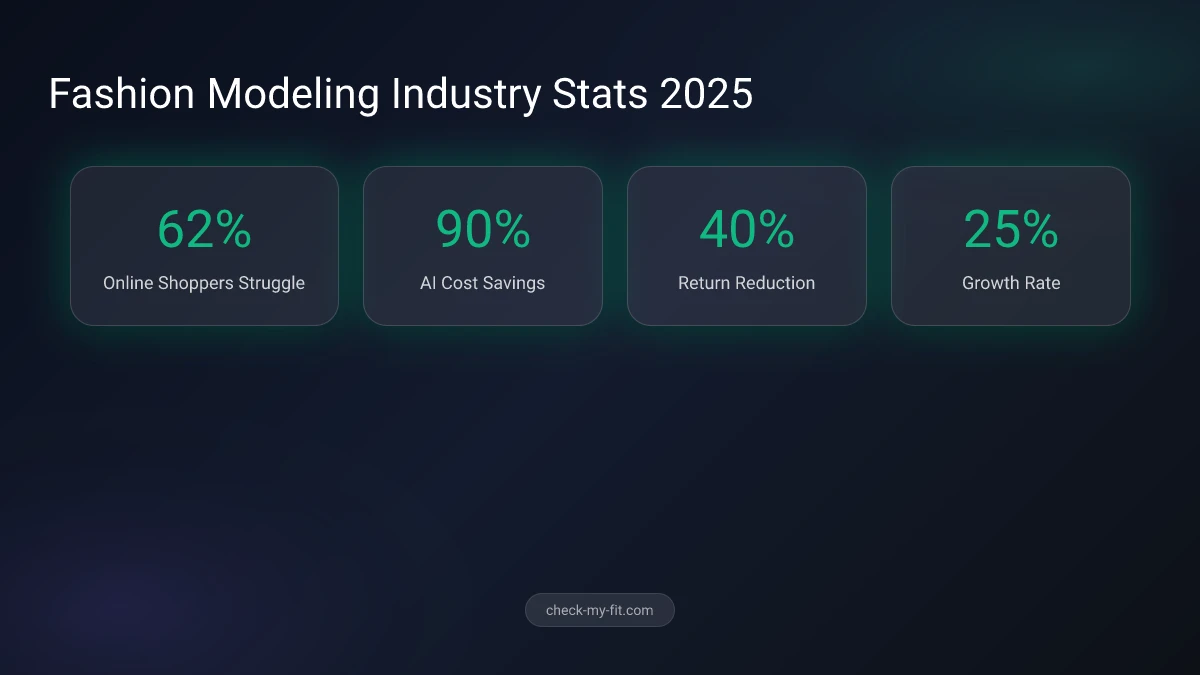
62% of online shoppers say they struggle to visualize how clothes will look on them, making models essential for purchase decisions.
Key Takeaway: Models for clothes have evolved beyond traditional runway and catalog work to include AI-powered virtual representations that help both brands and consumers visualize fashion.
What Are the Different Types of Clothing Models?
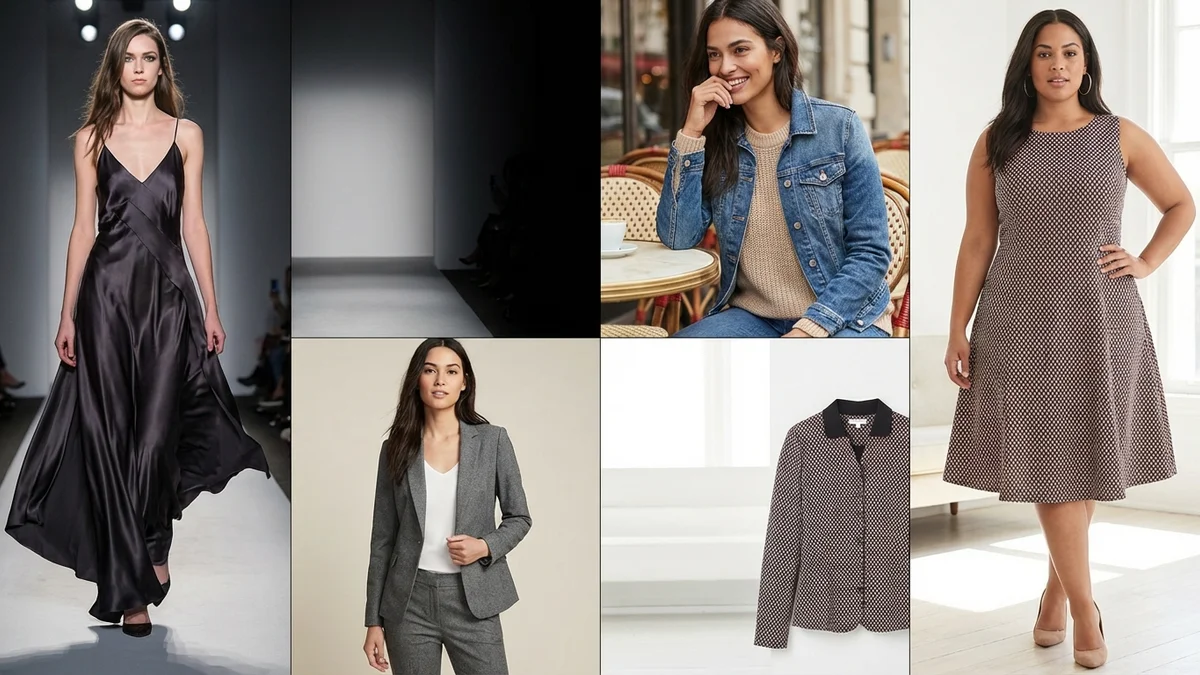
Clothing models fall into several distinct categories based on their role, the medium they work in, and how they're created. Understanding these types helps both aspiring models find their niche and brands choose the right representation for their products.
Human Fashion Models
| Model Type | Description | Typical Requirements |
|---|---|---|
| Runway Models | Walk fashion shows and present designer collections | Height 5'9"+, specific measurements |
| Commercial Models | Appear in ads, catalogs, and marketing materials | Relatable look, varied body types |
| Catalog Models | Model for retail websites and print catalogs | Professional posing skills |
| Fit Models | Test garment sizing and fit during production | Exact standard size measurements |
| Plus-Size Models | Represent sizes 12+ for inclusive fashion | Size 12-24, confident presence |
AI and Virtual Models
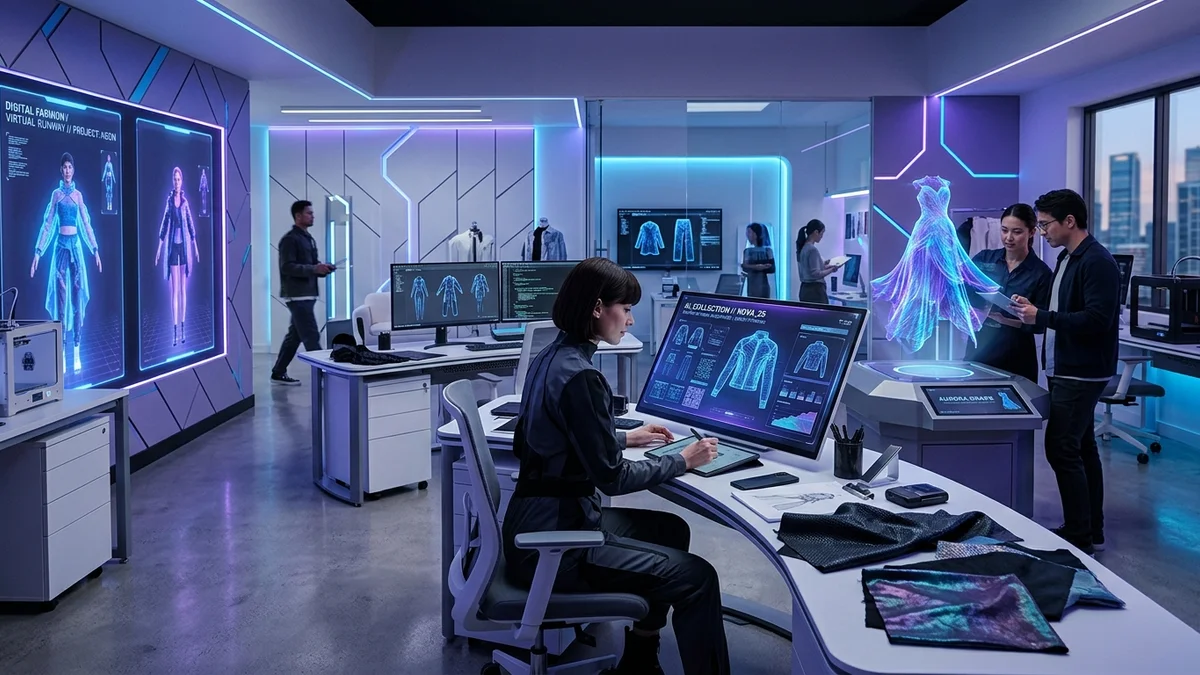
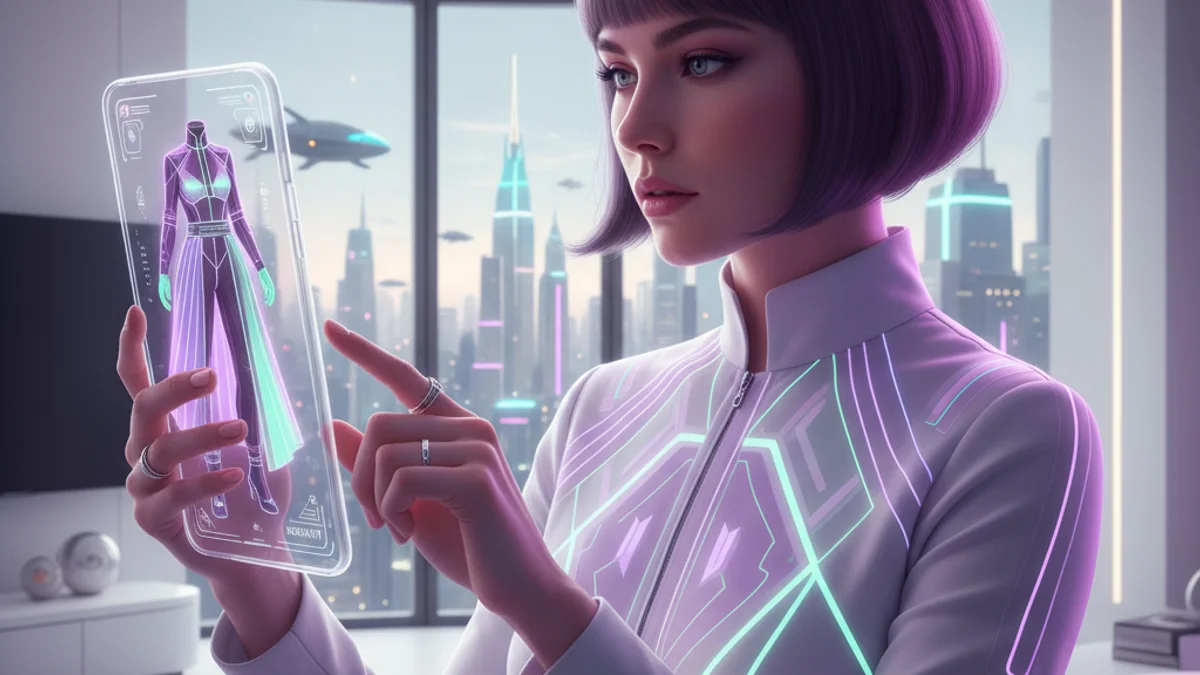
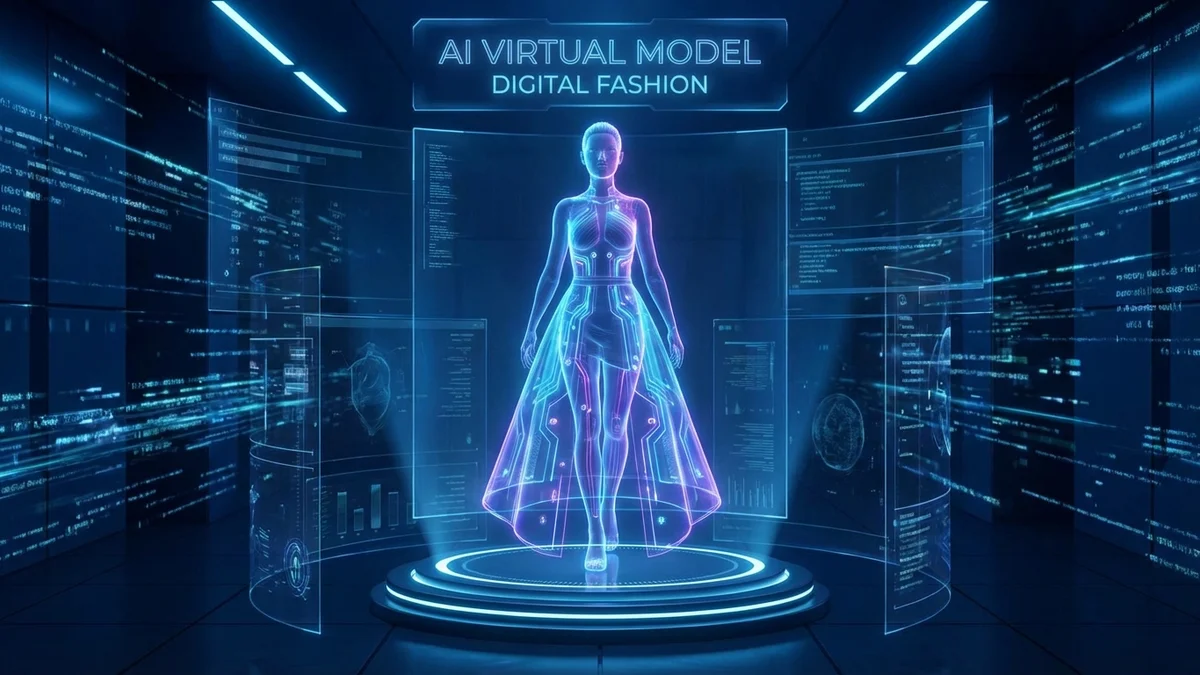
AI-generated models are digital representations created entirely by artificial intelligence. Platforms like Botika, Photoroom, and FASHN AI allow brands to generate realistic-looking models wearing their clothes without traditional photoshoots.
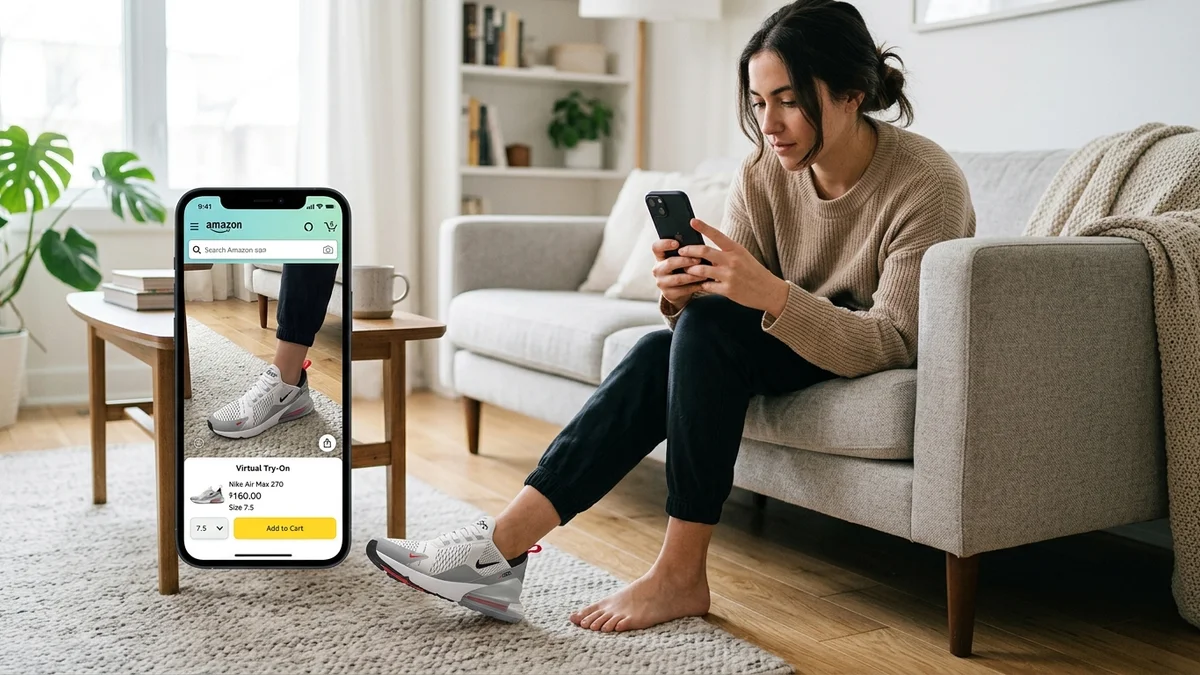
Virtual try-on models let consumers see themselves in clothing before purchasing. This technology uses augmented reality and AI to overlay garments onto photos or live video of the shopper.
How Do I Become a Model for Clothing Brands?
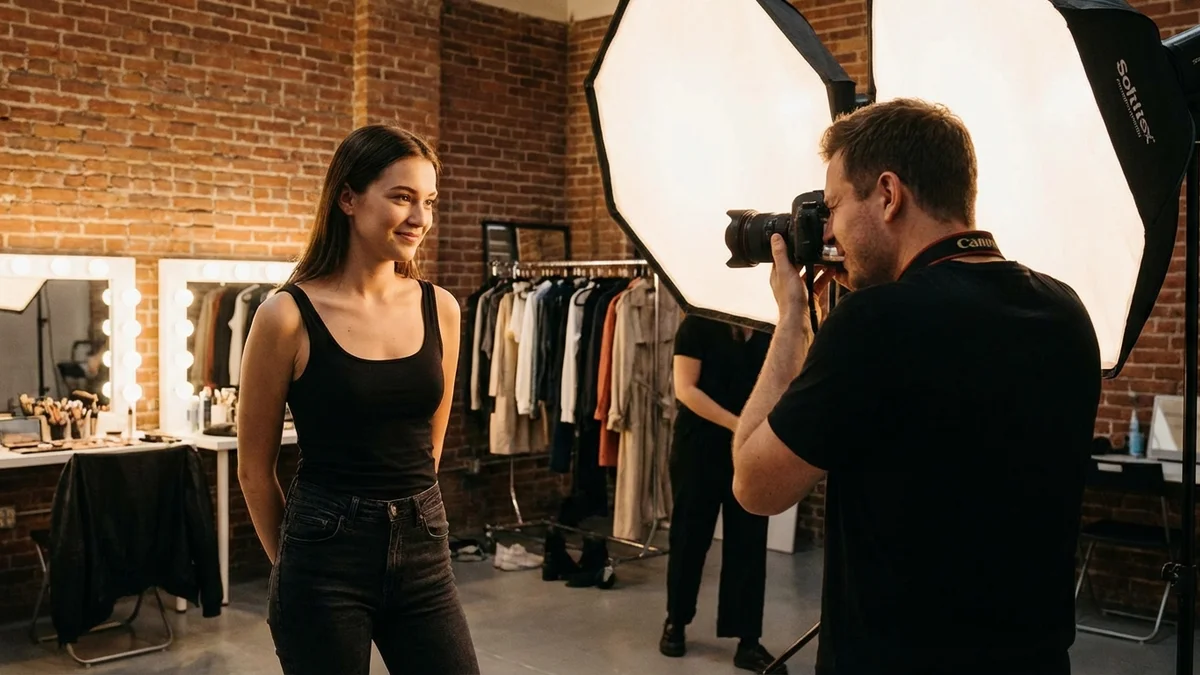
Breaking into clothing modeling requires preparation, persistence, and understanding of the industry. Here's a step-by-step approach to launching your modeling career.
Step 1: Know Your Measurements
Before approaching agencies or brands, document your exact measurements:
- Height and weight
- Bust, waist, and hip measurements
- Shoe size
- Clothing sizes (tops and bottoms)
Step 2: Build a Professional Portfolio
Your portfolio is your visual resume. Start with:
- Natural light photographs showing your features clearly
- Various poses in simple, fitted clothing
- Both casual and formal looks
- Close-up and full-body shots
Avoid heavily filtered or edited images. Agencies want to see how you actually look.
Step 3: Practice Your Posing
Clothing models need versatile posing skills. Practice:
- Standing poses that showcase garment silhouettes
- Seated poses for casual wear
- Movement shots that show how fabric flows
- Facial expressions that complement different styles
Step 4: Find the Right Agency
Research modeling agencies that match your look and goals:
- Commercial agencies for catalog and retail work
- High fashion agencies for runway and editorial
- Plus-size specific agencies for inclusive representation
- Local agencies for regional opportunities
Step 5: Build Your Online Presence
Modern brands often discover models through social media. Create professional profiles on:
- Instagram with consistent, high-quality content
- TikTok for behind-the-scenes and personality content
- Model Mayhem or similar platforms for networking
How Much Do Clothing Models Get Paid?
Model compensation varies significantly based on experience, type of work, and market. Here's what you can expect:
| Model Type | Entry Level | Experienced | Top Tier |
|---|---|---|---|
| Catalog/E-commerce | $100-300/day | $500-1,000/day | $2,000+/day |
| Commercial Print | $200-500/day | $1,000-3,000/day | $5,000+/day |
| Runway | $0-200/show | $500-1,500/show | $10,000+/show |
| Fit Modeling | $200-400/hour | $400-600/hour | $800+/hour |
| Brand Ambassador | $500-2,000/month | $3,000-10,000/month | $20,000+/month |
Key Takeaway: Fit modeling often offers the highest hourly rates and most consistent work, while runway modeling at top fashion weeks commands premium fees.
What Is the Difference Between AI Models and Real Models?
The fashion industry increasingly uses both human and AI models, each offering distinct advantages and limitations.
Real Human Models
Advantages:
- Authentic movement and natural poses
- Emotional connection with viewers
- Ability to provide feedback on fit and comfort
- Unique personal brand and following
Limitations:
- Scheduling and availability constraints
- Higher production costs
- Geographic limitations
- Aging and physical changes over time
AI-Generated Models
Advantages:
- Available instantly, 24/7
- Significant cost savings (up to 90% reduction)
- Perfect consistency across campaigns
- Unlimited diversity options
- No travel or scheduling required
Limitations:
- May lack authentic emotional connection
- Technology still improving for complex poses
- Ethical concerns about representation
- Cannot provide fit feedback
Brands using AI models report cutting photography costs by 90% while maintaining visual quality.
How Does Virtual Try-On Technology Work?
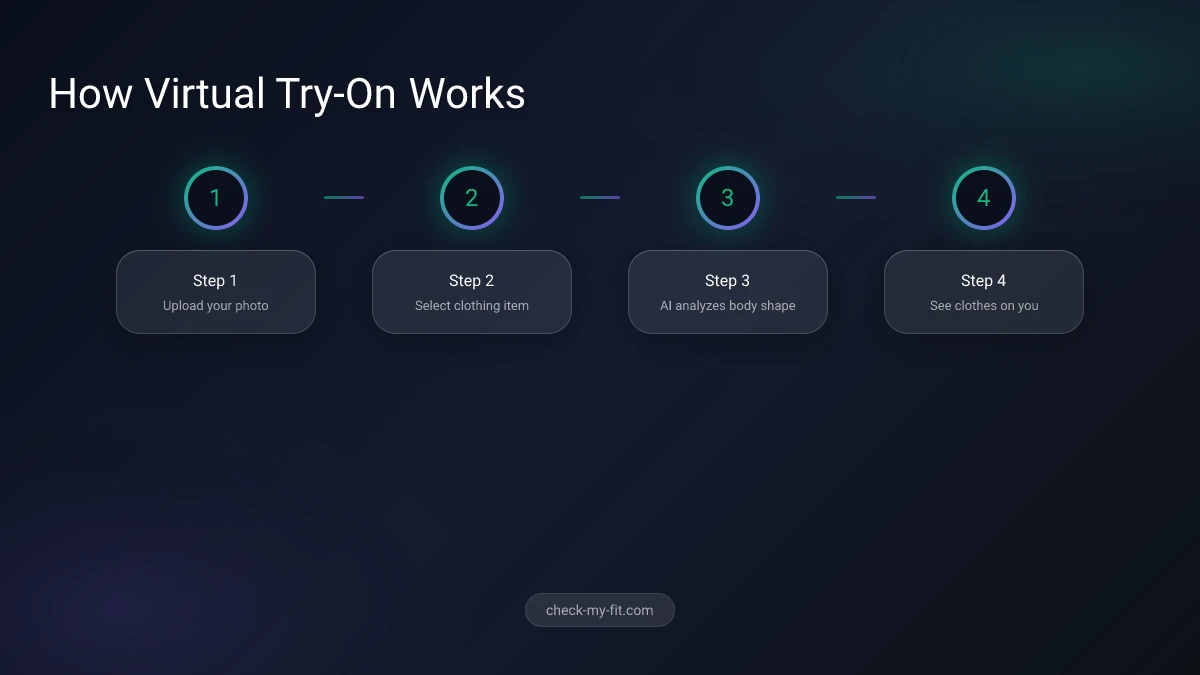
Virtual try-on represents the next evolution in how consumers interact with clothing models. Instead of relying solely on professional models, shoppers can now see themselves wearing clothes before purchasing.
The Technology Behind Virtual Try-On
Virtual try-on systems use a combination of:
- Computer vision to analyze body shape and proportions
- AI algorithms to map clothing onto the user's image
- 3D rendering to show realistic fabric draping
- Machine learning trained on thousands of garment images
Benefits for Shoppers
| Benefit | Impact |
|---|---|
| Reduced returns | Up to 40% fewer returns |
| Increased confidence | Better purchase decisions |
| Time savings | No dressing room needed |
| Accessibility | Try clothes from anywhere |
How CheckMyFit Revolutionizes Virtual Try-On
Tools like CheckMyFit put the power of virtual modeling in consumers' hands. Instead of wondering how clothes will look, you can upload your photo and see garments on your own body before ordering.
This technology bridges the gap between professional models showcasing clothes and your real-world shopping experience. You become your own model, making more confident purchasing decisions while reducing the environmental impact of returns.
Ready to see how clothes look on you? Try CheckMyFit to virtually try on outfits before you buy.
How Do Brands Choose Models for Their Clothes?
Selecting the right model is a strategic decision that impacts brand perception and sales. Here's what brands consider:
Target Audience Alignment
Brands select models who resonate with their target customers:
- Age range matching the customer demographic
- Body types reflecting the size range offered
- Lifestyle and aesthetic alignment with brand values
Practical Considerations
- Sample size availability: Models must fit the sample garments
- Budget constraints: Emerging brands often start with newer models
- Usage rights: Terms for where and how images can be used
- Availability: Timing for campaigns and collections
The Shift Toward Diversity
Modern consumers expect inclusive representation. Brands increasingly feature:
- Multiple ethnicities and skin tones
- Various body types and sizes
- Different ages and abilities
- Gender-diverse models
Recommended Products for Aspiring Models
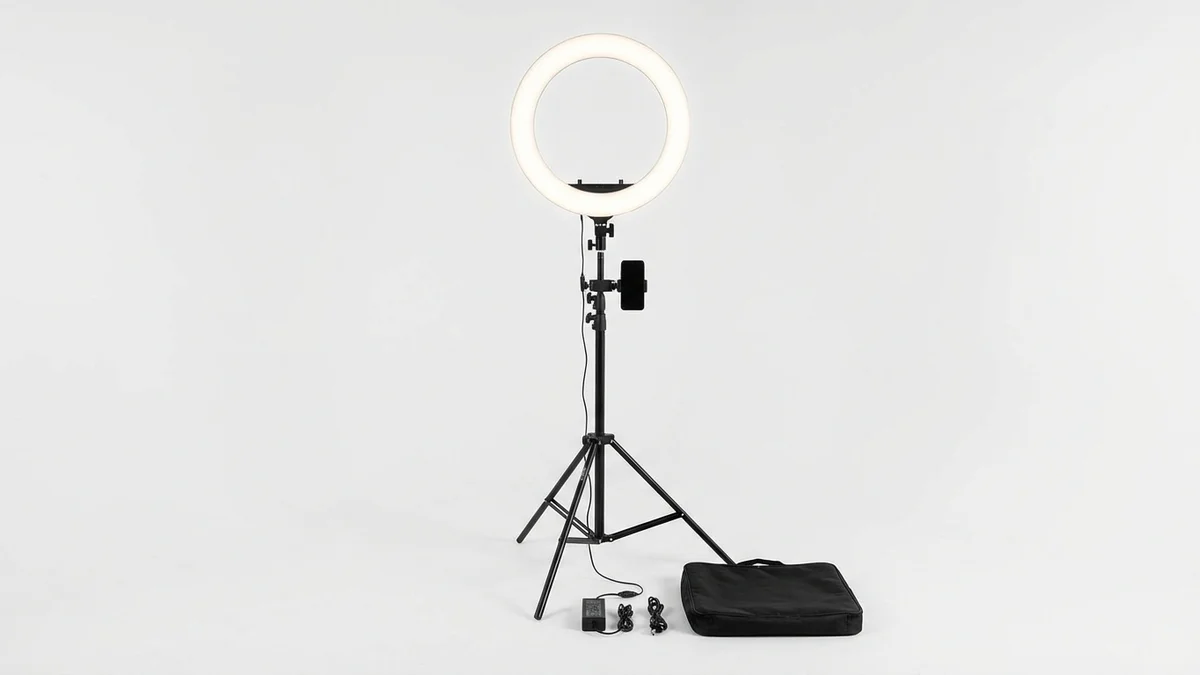
Essential for creating professional portfolio shots at home. The soft, even lighting flatters all skin tones and eliminates harsh shadows.
View on Amazon →
Practice your poses and check outfit proportions with this large floor mirror. The arched design adds elegance to any space.
View on Amazon →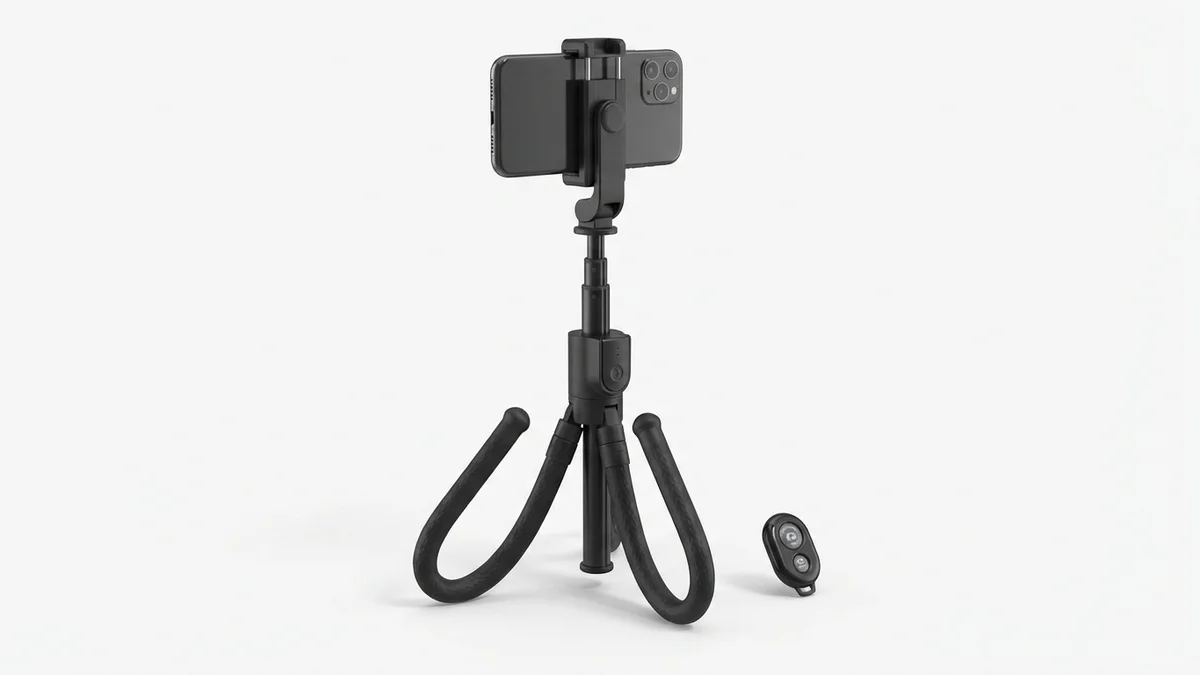
Perfect for self-photography practice sessions. The Bluetooth remote lets you capture full-body shots without assistance.
View on Amazon →Frequently Asked Questions
Can I model clothes without an agency?
Yes, you can model clothes without agency representation, especially for smaller brands and e-commerce work. Many companies hire freelance models directly through social media, modeling platforms like Model Mayhem, or local casting calls. Start by building a strong portfolio and online presence to attract direct bookings.
What measurements do you need to be a clothing model?
Measurement requirements vary by modeling category. Commercial and catalog modeling accepts diverse body types, while runway typically requires women to be 5'9"-6'0" with 32-35" bust, 23-26" waist, and 33-36" hips. Fit models need exact sample size measurements. Plus-size modeling welcomes sizes 12-24 with proportionate measurements.
How do AI-generated fashion models work?
AI fashion models are created using generative artificial intelligence trained on millions of images. Brands upload clothing photos, and the AI generates realistic images of virtual models wearing those garments. The technology maintains consistent lighting, poses, and quality while allowing customization of model appearance, ethnicity, and body type.
What is virtual try-on and how accurate is it?
Virtual try-on uses AI and augmented reality to show how clothes look on your body using a photo. Accuracy has improved significantly, with modern systems achieving 85-95% realistic representation of fit and draping. Tools like CheckMyFit help shoppers visualize purchases, reducing return rates by up to 40%.
How long does it take to become a successful clothing model?
Building a modeling career typically takes 1-3 years of consistent effort. This includes developing your portfolio, gaining experience through smaller jobs, and building industry connections. Success depends on factors like your market, look, and dedication to the craft.
Do clothing models need to be a certain height?
Height requirements depend on the modeling type. Runway models typically need to be 5'9" or taller for women and 6'0"+ for men. However, commercial, catalog, and social media modeling have no strict height requirements. Many successful models work in commercial spaces regardless of height.
What's the difference between fit models and regular models?
Fit models work directly with designers during garment development, providing feedback on sizing, comfort, and movement. They need exact standard size measurements and may work with one brand repeatedly. Regular models showcase finished garments in photos or shows without input on construction.
Are virtual models replacing human models?
Virtual models complement rather than replace human models. While AI models excel at consistent e-commerce photography and cost efficiency, human models remain essential for runway shows, editorial work, and campaigns requiring authentic emotional connection. Most brands use both strategically.
Conclusion
The world of models for clothes has expanded dramatically beyond traditional runway and catalog work. Today's fashion industry embraces both human talent and AI technology, creating opportunities for aspiring models while giving consumers powerful tools to visualize their purchases.
Whether you're building a modeling career, exploring AI solutions for your brand, or simply wanting to see how clothes look before buying, understanding these options helps you make informed decisions.
For shoppers tired of uncertainty about online clothing purchases, virtual try-on technology offers a practical solution. Try CheckMyFit today to become your own model and see exactly how clothes will look on you before you order.
The future of fashion modeling combines the best of human creativity and AI efficiency, making style more accessible and personalized than ever before.