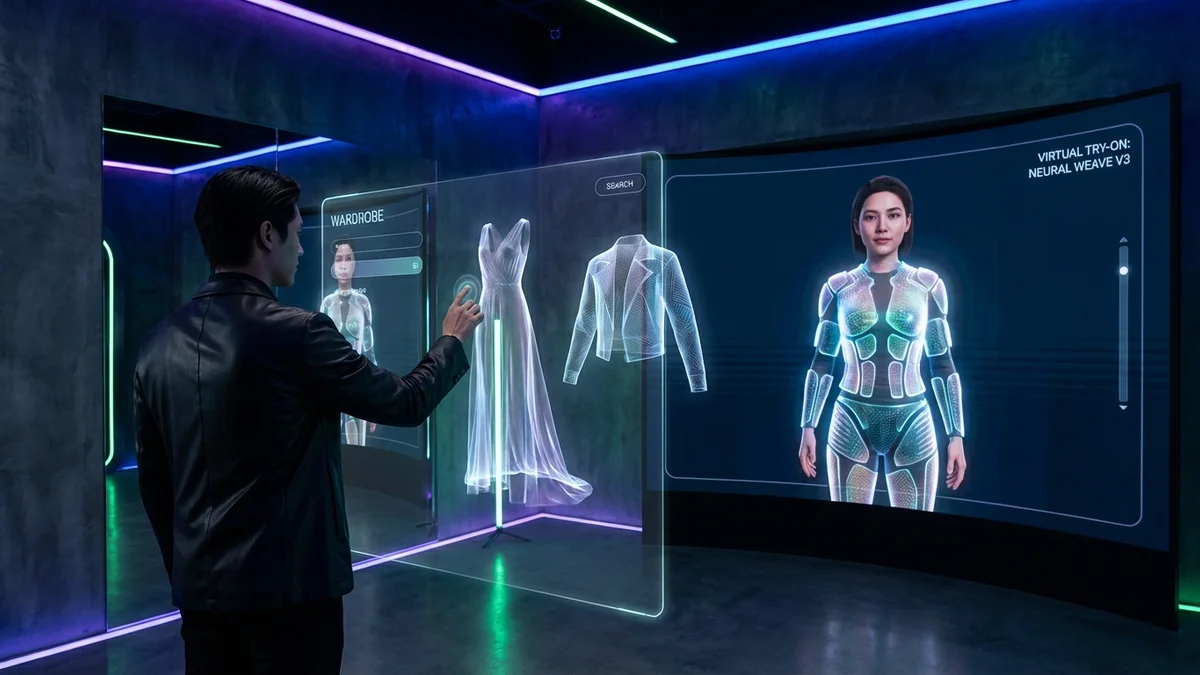
Artificial intelligence is reshaping how we buy, wear, and interact with clothes. From virtual try-on apps that show you exactly how outfits look before purchasing to smart garments that monitor your health, AI clothing technology has moved from science fiction to everyday reality.
The fashion industry has fully embraced this transformation. Global brands like Zara, H&M, and Nike now use AI across their entire operations. Meanwhile, consumers can access powerful AI tools from their smartphones to make smarter fashion choices.
This complete guide covers everything about artificial intelligence clothes in 2026. You'll learn how AI is changing fashion, the best tools available, and practical ways to use this technology to upgrade your wardrobe.
At a Glance
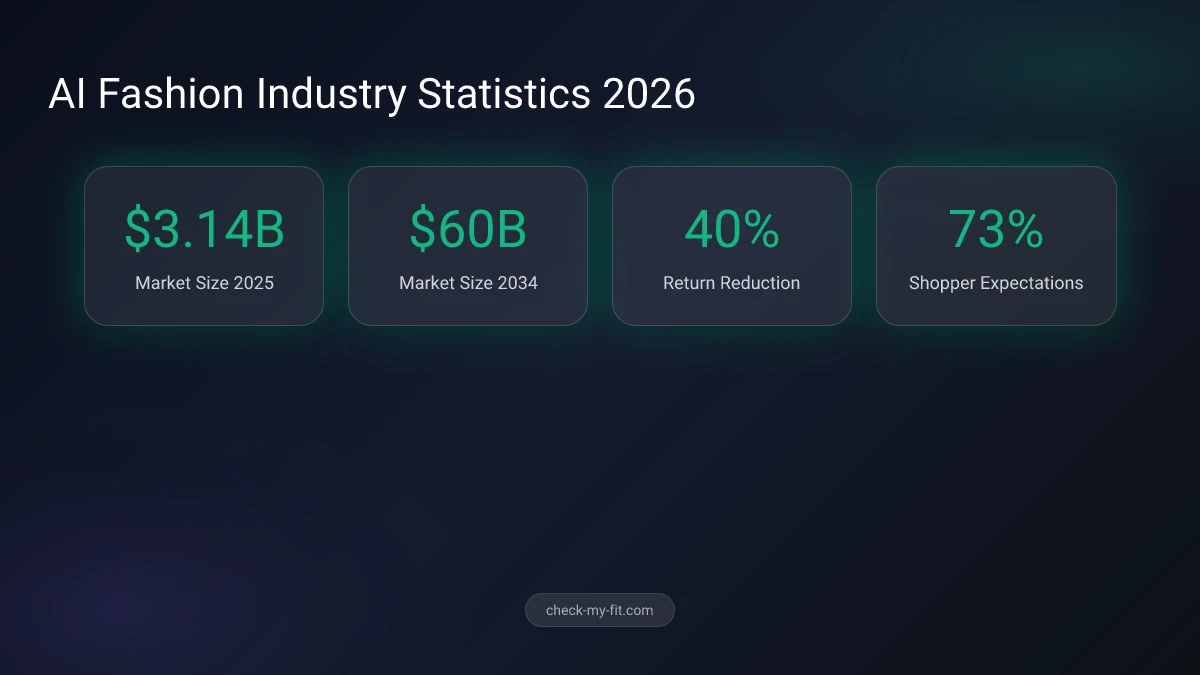
Artificial intelligence clothes refers to two main applications: AI-powered tools that help you visualize, select, and purchase clothing, and smart garments embedded with AI technology. The AI fashion market is projected to reach $3.14 billion in 2025 and $60 billion by 2034. Virtual try-on technology reduces return rates by 40%, while AI styling tools help 73% of consumers find clothes that match their preferences. Whether you want to see how clothes look before buying or design custom outfits, AI makes it possible.
What Is Artificial Intelligence Clothing?

Artificial intelligence clothing encompasses all applications where AI technology intersects with fashion and apparel. This includes software that helps you shop for clothes, design custom outfits, and visualize how garments will look on your body. It also includes physical smart garments with embedded sensors and AI capabilities.
The technology works by analyzing vast amounts of data about fashion trends, body measurements, fabric behavior, and personal preferences. Machine learning algorithms process this information to deliver personalized recommendations, realistic virtual try-ons, and intelligent styling suggestions.
Key Takeaway: AI clothing technology combines computer vision, machine learning, and data analysis to transform every aspect of how we interact with fashion.
The Three Pillars of AI in Clothing
AI applications in fashion rest on three foundational technologies:
| Technology | Function | Fashion Application |
|---|---|---|
| Machine Learning | Analyzes patterns and makes predictions | Trend forecasting, size recommendations |
| Computer Vision | Understands images and visual data | Virtual try-on, body measurement |
| Natural Language Processing | Interprets text and voice commands | Voice-activated styling, chatbot assistance |
These technologies work together to create seamless experiences. When you use a virtual try-on app, computer vision analyzes your photo while machine learning predicts how fabric will drape on your body. The result appears natural because AI has learned from millions of images how clothes behave.
How Does AI Change Clothes in Photos?
AI clothes changers analyze your body shape, skin tone, and the photo's lighting to fit outfits naturally onto your image. The technology uses generative AI models trained on millions of fashion photos to understand how different fabrics fold, stretch, and drape on various body types. The result looks like you're actually wearing the clothes, not a flat image pasted onto your photo.
The Virtual Try-On Process
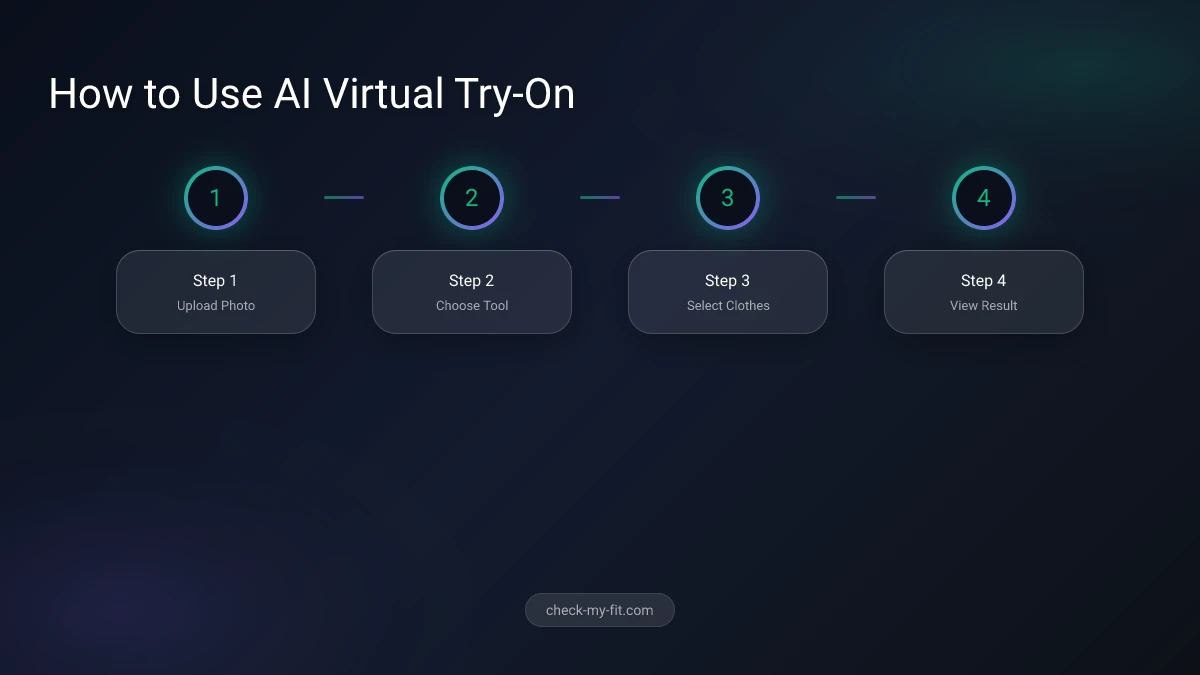
Using an AI clothes changer typically follows these steps:
- Upload your photo - Choose a clear, full-body image with good lighting
- Select your clothing - Pick from a catalog or upload a specific garment image
- AI processing - The algorithm maps your body and applies the clothing
- Review the result - See a realistic preview of you wearing the outfit
- Adjust if needed - Some tools let you fine-tune fit and positioning
The AI behind this technology has evolved dramatically. Early virtual try-ons produced awkward results with obvious distortions. Modern systems like Google's virtual try-on understand the nuances of different materials. Silk appears with subtle sheen. Wool shows thick texture. Denim maintains its structured appearance.
AI-powered virtual try-on technology can reduce return rates by up to 40% by helping shoppers make more informed purchase decisions.
What Makes AI Clothes Changing Accurate?
Several factors determine how realistic AI clothes changing looks:
| Factor | Impact on Quality |
|---|---|
| Photo quality | Higher resolution enables better body mapping |
| Lighting | Even lighting prevents shadows that confuse AI |
| Pose | Front-facing, standing poses work best |
| Clothing type | Fitted garments render more accurately than loose ones |
| AI model quality | More sophisticated algorithms produce better results |
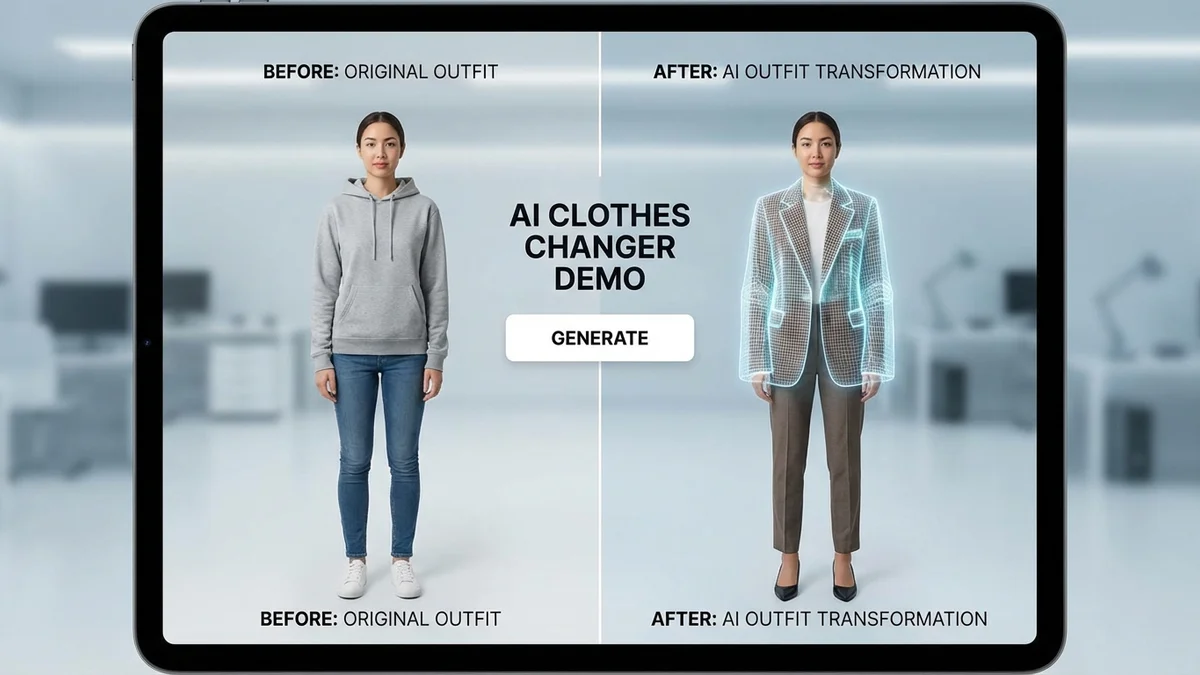
Key Takeaway: AI clothes changers work best with clear, well-lit photos and have become sophisticated enough to render fabric textures realistically.
What Are the Benefits of AI in Fashion?
AI delivers measurable benefits across the entire fashion ecosystem. For consumers, it means smarter shopping and fewer disappointments. For retailers, it translates to higher sales and lower return costs. For the planet, it supports sustainability by reducing waste.
Benefits for Shoppers
The advantages for everyday consumers have made AI fashion tools increasingly popular:
Reduced Purchase Mistakes
- See clothes on your actual body before buying
- Get accurate size recommendations based on your measurements
- Receive personalized style suggestions matching your preferences
Time Savings
- Skip physical fitting rooms with virtual try-on
- Get instant outfit recommendations instead of browsing for hours
- Find items that match existing wardrobe pieces quickly
Better Fit Accuracy
- AI analyzes your body measurements against garment specifications
- Machine learning predicts how specific brands fit your body type
- Size recommendation accuracy has reached 85%+ with advanced tools
73% of shoppers expect brands to understand their tastes and preferences. AI-powered personalization meets this expectation.
Benefits for Retailers and Brands
Fashion businesses have strong incentives to adopt AI technology:
| Metric | Impact |
|---|---|
| Return rate reduction | 25-40% decrease with virtual try-on |
| Conversion increase | Up to 2.5x higher with personalization |
| Inventory optimization | 20-30% reduction in overstock |
| Customer engagement | 40% increase with AI recommendations |
Sustainability Impact
AI contributes to more sustainable fashion practices in several ways:
- Demand prediction reduces overproduction and textile waste
- Virtual sampling eliminates need for physical prototypes
- Optimized logistics decreases transportation emissions
- Circular fashion platforms use AI to match buyers with secondhand items
The fashion industry produces 186 billion pounds of textile waste annually. AI-powered solutions can redirect up to 70% of textile waste for recycling by identifying fiber types and contaminants.
Top AI Tools for Clothing in 2026
Numerous AI tools help consumers and professionals interact with fashion technology. Here's a comparison of the leading options.
Virtual Try-On Tools
| Tool | Best For | Key Feature | Price |
|---|---|---|---|
| CheckMyFit | Personal try-on | Body-accurate visualization | Free |
| Google Virtual Try-On | Shopping research | Billions of items | Free |
| Krea AI | Creative exploration | Multiple outfit styles | Freemium |
| FASHN AI | Brands and creators | Professional quality | Paid |
AI Styling Assistants
Several apps provide AI-powered outfit recommendations:
StyleDNA
- Personal wardrobe updates based on your style profile
- Weather-appropriate outfit suggestions
- Works with your existing closet
Acloset
- AI shopping advisor that understands your wardrobe
- Avoids recommending items you already own
- Suggests versatile pieces that work with multiple outfits
Alta
- Personal AI stylist focused on understanding individual preferences
- Daily outfit recommendations
- Style evolution tracking
AI Fashion Design Platforms
For those interested in designing custom clothing:
| Platform | Capability | User Level |
|---|---|---|
| The New Black | AI clothing design generator | Beginner-friendly |
| Fermat | Professional fashion renders | Advanced |
| LOOK | Real-time design feedback | Professional |
| Style 3D | End-to-end digital creation | Professional |
How to Use AI Virtual Try-On for Better Shopping
Ready to experience AI clothes technology yourself? Here's how to get the best results from virtual try-on tools.
Step 1: Take an Ideal Photo
The quality of your base photo directly affects results. Follow these guidelines:
- Lighting: Use natural light or even indoor lighting
- Background: Choose a plain, uncluttered background
- Pose: Stand facing forward with arms slightly away from body
- Attire: Wear fitted clothing in a solid color
- Resolution: Use a high-quality camera (smartphone cameras work well)
Step 2: Choose the Right Tool
Different tools excel at different tasks:
- For everyday shopping decisions, use CheckMyFit or Google's built-in try-on
- For creative outfit exploration, try Krea AI or similar generative tools
- For professional product visualization, FASHN AI or Botika offer higher quality
Step 3: Experiment with Multiple Items
AI try-on tools work best when you compare multiple options:
- Try the same garment in different colors
- Compare similar items from different brands
- Test complete outfits, not just individual pieces
- Save favorites for easy comparison
Step 4: Verify Before Purchasing
While AI has improved dramatically, use results as guidance rather than guarantees:
- Check size charts alongside AI recommendations
- Read reviews about specific garment fit
- Consider your personal fit preferences
- Use return policies as backup
Key Takeaway: Getting accurate AI try-on results requires good photos, the right tool for your needs, and treating AI as helpful guidance rather than absolute truth.
Smart Clothing: When AI Is Built Into Garments
Beyond software tools, artificial intelligence is becoming embedded in physical clothing through smart textiles and wearable technology.
What Is Smart Clothing?
Smart clothing contains sensors and processors that collect data about the wearer and their environment. AI processes this data to provide insights or automate functions.
| Smart Clothing Type | Function | Examples |
|---|---|---|
| Fitness apparel | Tracks biometrics during exercise | Heart rate, muscle activity |
| Temperature-regulating | Adjusts warmth based on conditions | Heating/cooling elements |
| Posture-correcting | Monitors and alerts about posture | Vibration feedback |
| Health monitoring | Tracks vital signs continuously | ECG, respiratory rate |
Privacy Considerations
With AI clothing collecting personal data, privacy becomes a valid concern. Reputable brands address this through:
- Strong encryption for data transmission and storage
- Clear consent about what data is collected
- User control over data sharing and retention
- Transparent policies explaining data usage
Before purchasing smart clothing, review the brand's privacy policy and understand what information the garment will collect.
The Future of AI in Fashion
AI fashion technology continues advancing rapidly. Here's what to expect in coming years:
Near-Term Developments (2026-2027)
- Selfie-based try-on becomes standard (already launched by Google)
- Real-time video try-on for live shopping streams
- Voice-activated styling through smart assistants
- AR fitting rooms in more physical stores
Medium-Term Evolution (2028-2030)
- AI-designed collections created with minimal human input
- Hyper-personalized sizing based on body scans
- Predictive wardrobes that suggest what to buy before you need it
- Sustainable fashion matching that finds eco-friendly alternatives
Industry Transformation
The AI fashion market is projected to grow from $3.14 billion in 2025 to approximately $60 billion by 2034—a nearly 20x increase.
This growth reflects AI becoming essential rather than optional. By 2030, most fashion brands will use AI for design, production, and customer experience. Consumers who embrace AI tools early will shop smarter and more sustainably.
Recommended Tools for AI Fashion Exploration
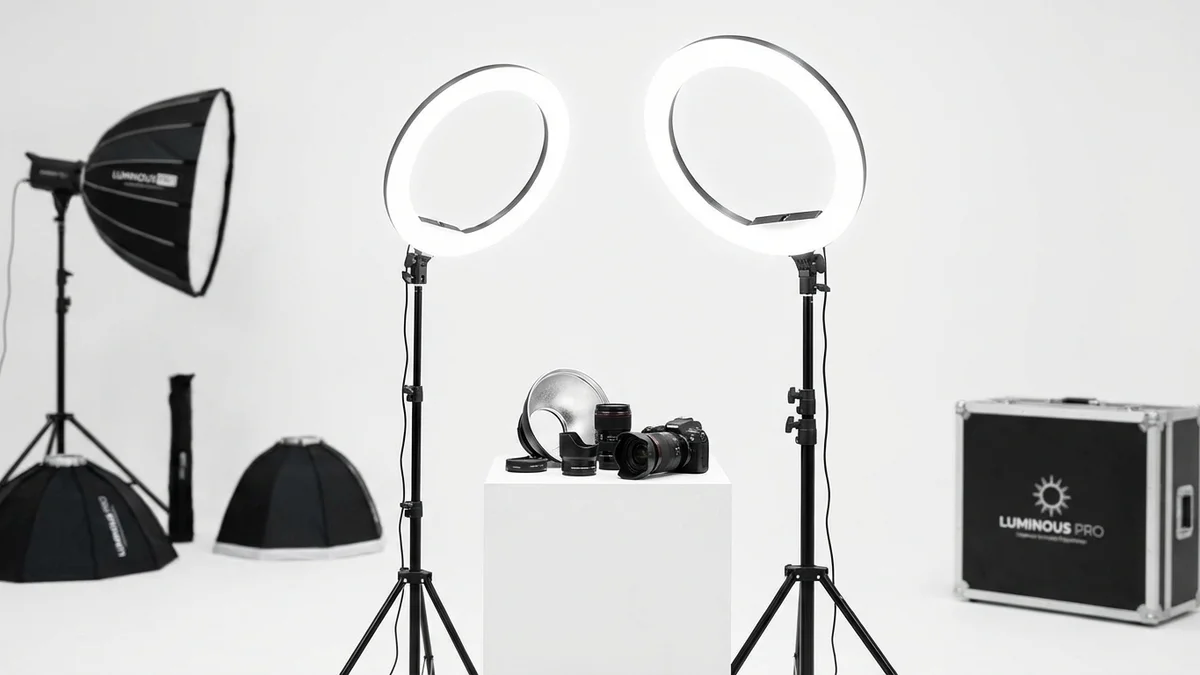
Professional lighting for taking clear photos that work perfectly with AI virtual try-on tools. Even lighting produces the most accurate AI results.
View on Amazon →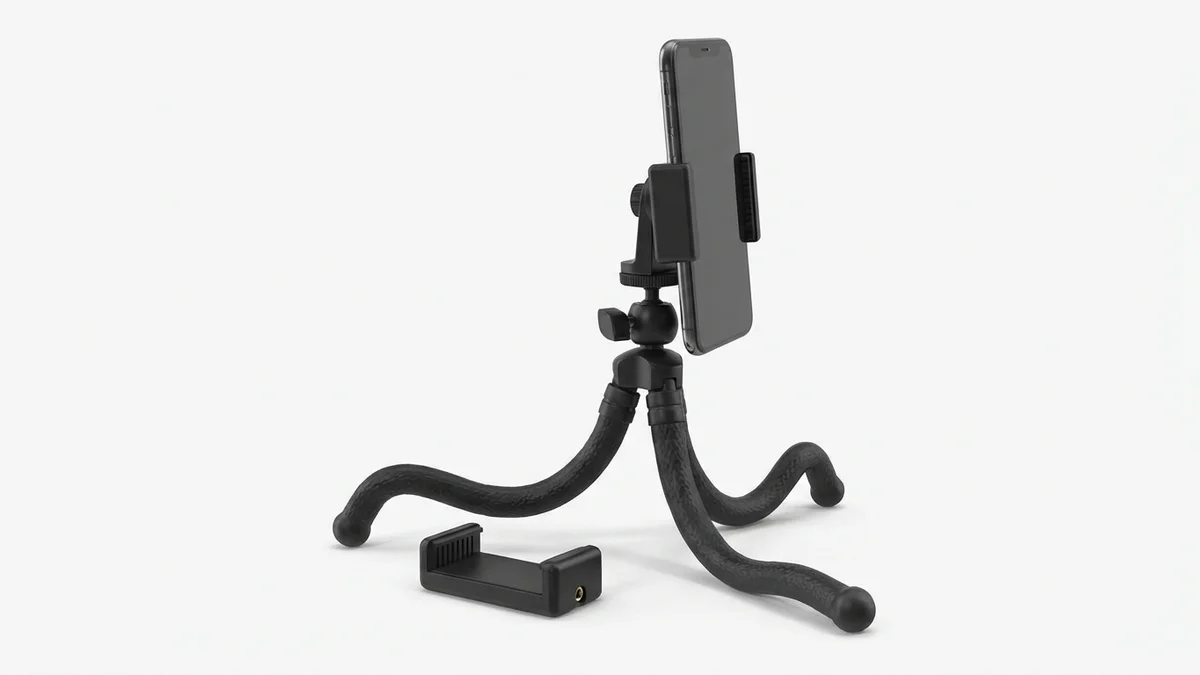
Essential for taking consistent full-body photos for virtual try-on. Adjustable height and remote shutter make self-photography easy.
View on Amazon →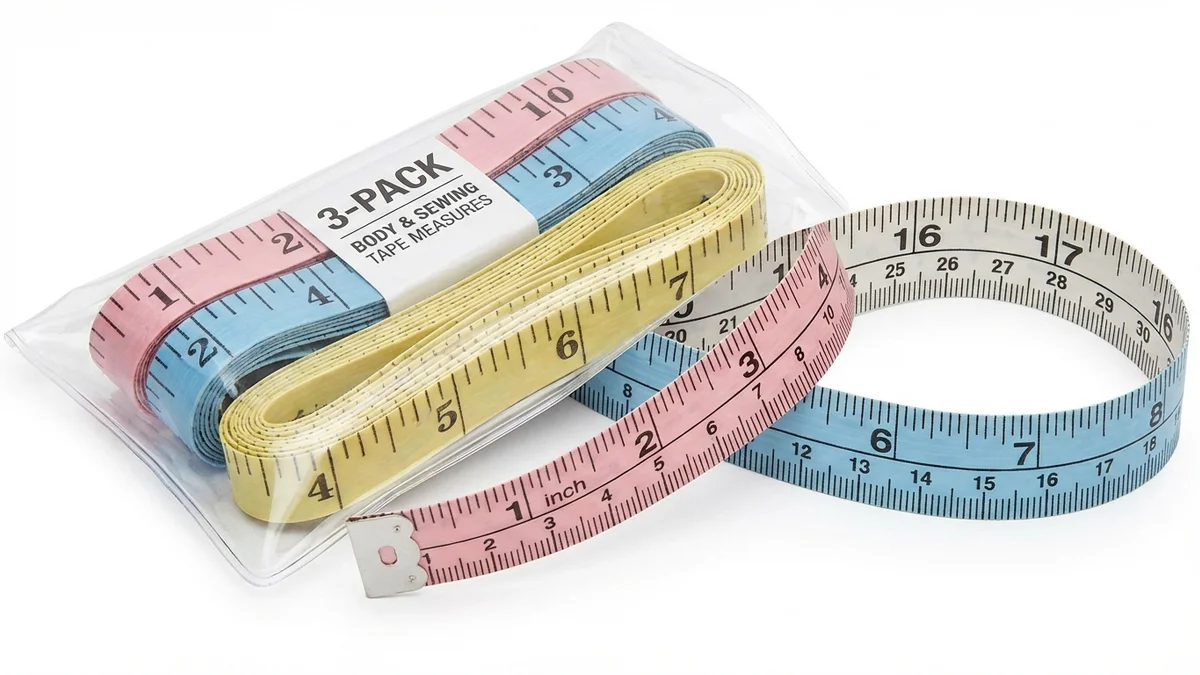
Accurate body measurements improve AI size recommendations. Use alongside virtual try-on for the best fit predictions.
View on Amazon →Frequently Asked Questions
Can AI design clothes?
Yes, AI can design clothes using generative AI tools trained on millions of fashion images. Platforms like The New Black and Fermat let users create clothing designs from text prompts or sketches. While AI generates novel designs, human designers typically refine and finalize concepts. AI serves as a creative partner, speeding up ideation and enabling experimentation with styles that might not occur to humans alone.
Is my personal data safe with AI fashion apps?
Data safety varies by application. Reputable AI fashion apps use encryption to protect photos and measurements. Most established brands delete images after processing rather than storing them permanently. Before using any AI clothes tool, review its privacy policy. Look for clear statements about data retention, sharing practices, and user control options. Avoid apps that lack transparent privacy information.
How accurate is AI virtual try-on?
Modern AI virtual try-on achieves 80-90% accuracy for visualizing how clothes will look on your body. Accuracy depends on photo quality, clothing type, and the specific AI model used. Fitted garments typically render more accurately than loose or flowing items. Results work best for style and color decisions. For precise fit assessment, combine AI try-on with traditional size charts.
What AI tools can I use to change clothes in photos?
Several free and paid options exist for changing clothes in photos. Free tools include CheckMyFit, Google's virtual try-on feature, and Krea AI's clothes changer. Paid professional tools include FASHN AI, Botika, and Pic Copilot. Most tools require only a clear photo of yourself and either a catalog selection or uploaded garment image.
Will AI replace fashion designers?
AI augments rather than replaces fashion designers. While AI can generate designs, predict trends, and speed up production, human creativity remains essential for artistic vision, brand identity, and emotional storytelling. Most industry experts view AI as a powerful collaborative tool. Designers who embrace AI technology can work faster and explore more ideas while maintaining creative control.
How does AI predict fashion trends?
AI predicts fashion trends by analyzing massive datasets including social media posts, runway images, search queries, sales data, and street style photos. Machine learning identifies emerging patterns before they become mainstream. Companies like Heuritech analyze millions of social images monthly. Their AI can detect trend signals months before styles appear in stores, helping brands produce what consumers actually want.
Can I use AI to find clothes that fit me?
Yes, AI-powered size recommendation tools analyze your measurements against garment specifications to suggest the best fit. Some apps use photos to estimate your body dimensions. Others ask for specific measurements. Bold Metrics, Fit Analytics, and similar technologies help reduce fit-related returns. Combining AI recommendations with brand-specific size charts produces the most accurate results.
What is the difference between AI clothes and smart clothing?
AI clothes technology refers to software tools that help you shop, design, and visualize clothing digitally. Smart clothing refers to physical garments with embedded sensors and AI processors. AI clothes tools exist on your phone or computer. Smart clothing is something you wear. Both leverage artificial intelligence but serve different purposes in your fashion experience.
Conclusion
Artificial intelligence has transformed how we interact with clothes. Whether you're shopping online, designing custom outfits, or wearing smart garments, AI technology makes fashion more personalized, efficient, and sustainable.
The tools available today were impossible just a few years ago. Virtual try-on technology shows you exactly how clothes will look on your body. AI stylists suggest outfits matching your preferences. Smart clothing monitors your health and adapts to your environment.
To experience AI clothing technology firsthand, try a virtual try-on tool like CheckMyFit. Upload a photo, select some clothes you're curious about, and see yourself wearing them instantly. It's the fastest way to understand how AI is changing fashion—and to start making smarter shopping decisions today.